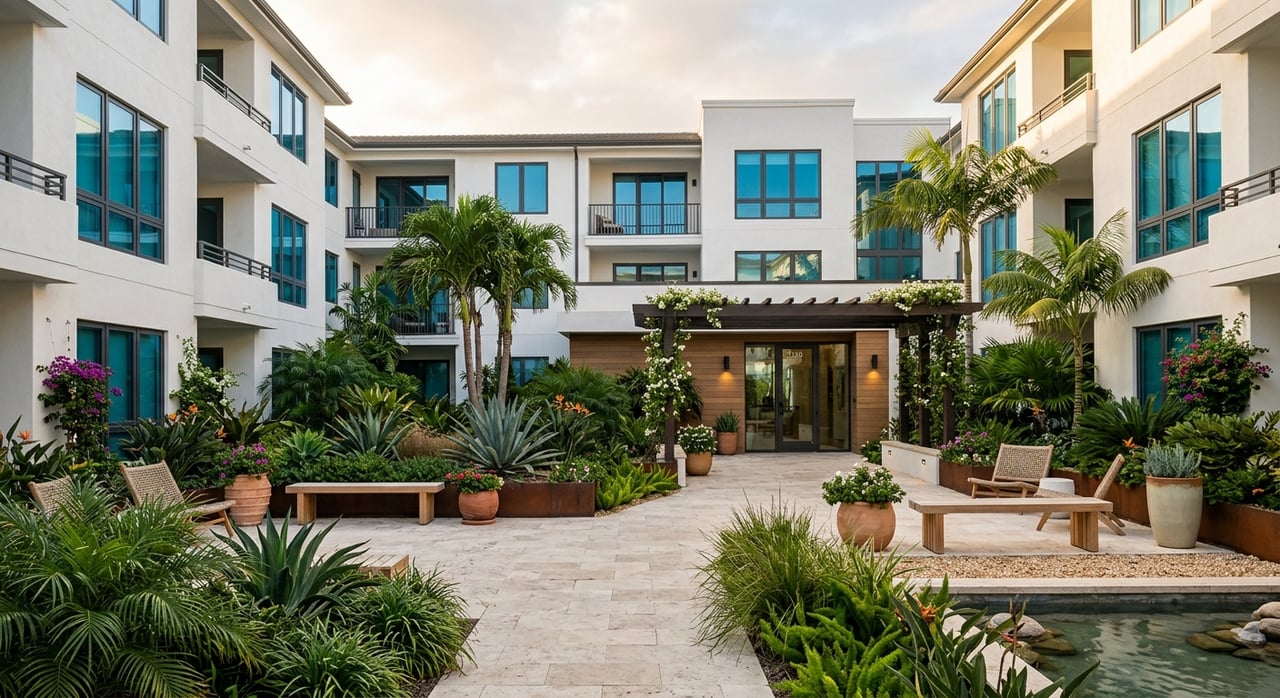
Looking for oceanfront living in Miami without the nonstop resort feel? Surfside stands out because it offers a quieter, more residential version of beachfront ownership in the heart of Miami-Dade. If you are considering a condo here, this guide will help you understand what makes Surfside different, what boutique really means in this market, and which questions to ask before you buy. Let’s dive in.
Why Surfside Feels Different
Surfside is a compact oceanfront town between Miami Beach and Bal Harbour with nearly 6,000 residents, about a mile of public beach, and a small two-block business district. That scale helps explain why the area feels more neighborly and less like a visitor-heavy beachfront strip.
The town is also notably pedestrian-friendly. Local materials describe Surfside as a one-square-mile community with parks, tennis, playgrounds, a community center with aquatics, and a quieter commercial core. If you want beach access without giving up a more residential day-to-day setting, that balance is a big part of the appeal.
What Boutique Oceanfront Means in Surfside
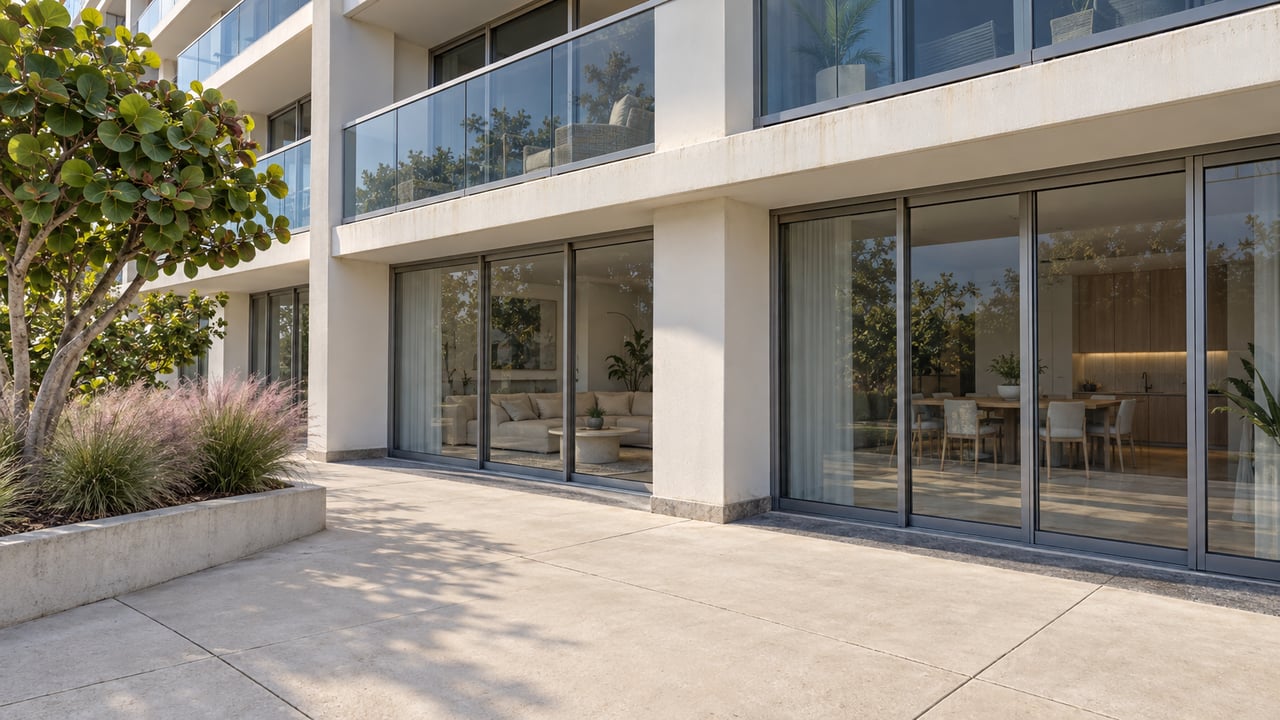
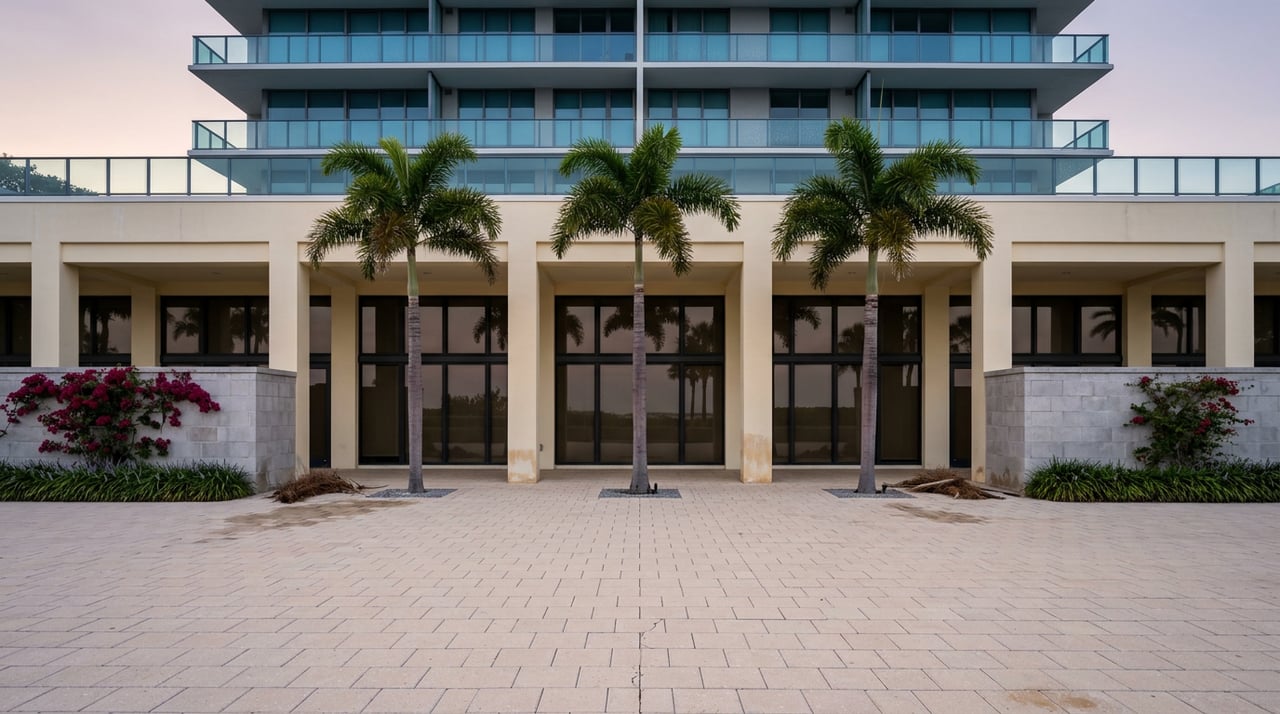
In Surfside, boutique oceanfront living usually means a smaller building, fewer residences, more privacy, and a more design-focused identity. Instead of very tall towers packed with hundreds of units, many notable oceanfront properties here are lower-scale and more intimate.
That character is shaped in part by zoning. Surfside’s zoning code includes districts capped at 30 feet, 40 feet, and 120 feet, with a stated goal of keeping development comfortable, pedestrian-friendly, safe, and livable. In practical terms, that helps preserve a lower-scale streetscape than many neighboring beachfront areas.
Smaller Buildings, Strong Design
Some of Surfside’s best-known oceanfront buildings show this clearly. Fendi Château Residences is a 12-story building with 58 flow-through residences, 300 linear feet of private beach frontage, underground parking, a 24-foot lobby, and landscaped outdoor spaces.
The Surf Club Four Seasons residences are also 12 stories, with 150 residences, 51 unique floor plans, floor-to-ceiling glass, and ceilings reaching up to 20 feet. The project is arranged across three buildings that frame the original 1930 clubhouse, with 40 day cabanas along a 900-foot beachfront.
Surfside’s own biking guide highlights The Surf Club, Fendi Château, and ARTE as notable architecture along Collins Avenue. That says something important about the town. In Surfside, architecture is part of the local identity, not just a sales feature.
How Surfside Compares With Larger Beachfront Markets
If you are comparing Surfside with places like Sunny Isles Beach, scale becomes one of the clearest differences. Nearby towers there are often much larger and more resort-oriented.
For example, The Ritz-Carlton Residences in Sunny Isles Beach is marketed as a 649-foot tower with 212 residences. The St. Regis Residences promotes a private residential resort concept with more than 70,000 square feet of amenities.
Surfside tends to attract buyers who want a more private and residential experience. That can mean fewer neighbors, more discreet arrival experiences, and a calmer rhythm of use. For some buyers, that matters more than having the biggest amenity deck on the coast.
Amenities: Luxury Still Exists, Just in a Different Format
Boutique does not mean bare-bones. Surfside’s smaller oceanfront buildings can still offer a very high service level and strong amenity packages.
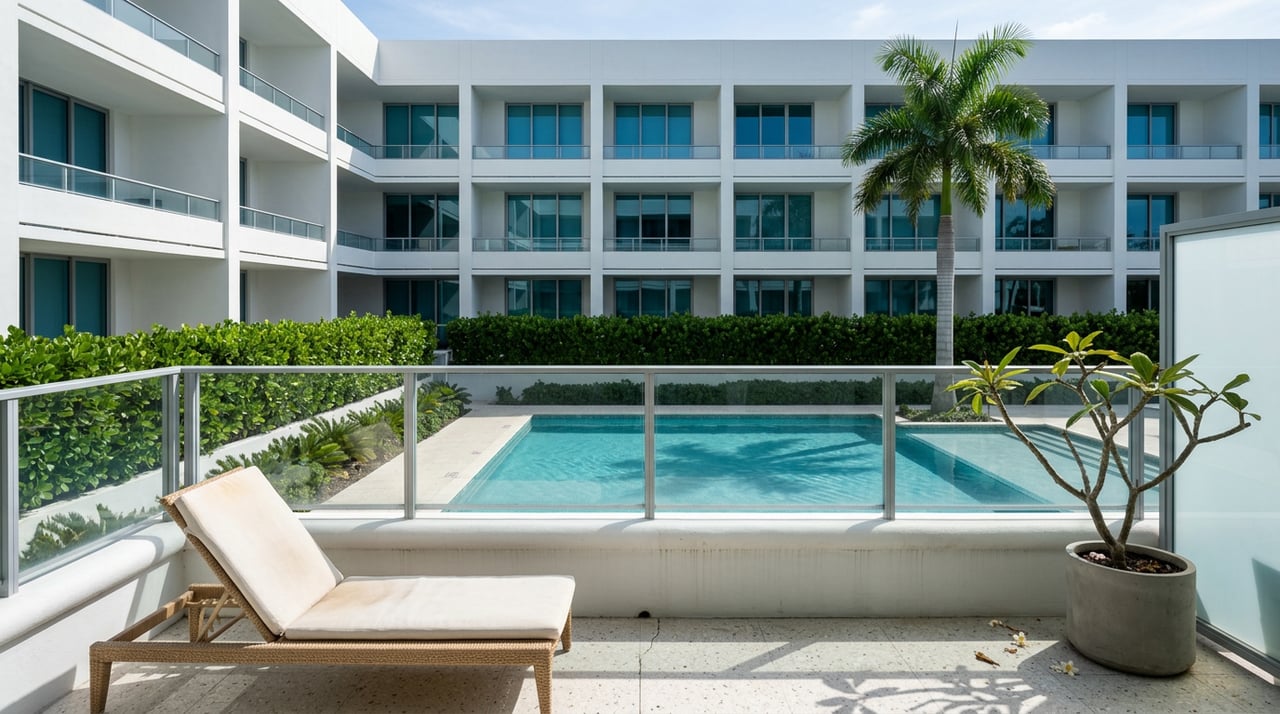
Fendi Château advertises two pools, a private restaurant, a private cinema, tropical gardens, and flow-through residences. The Surf Club offers pool and beach service, a spa and fitness center, restaurants, concierge, private residential lobbies, and optional services such as butler, housekeeping, and in-residence dining.
The key difference is not whether amenities exist. It is how they are delivered. In a boutique building, services may feel more personal, but the costs of staffing and maintaining those services are spread across fewer owners.
Monthly Dues and the Boutique Tradeoff
One of the biggest buyer misconceptions is assuming a smaller building always means lower monthly costs. In reality, boutique oceanfront buildings can carry substantial dues because luxury services, beach operations, staffing, and maintenance still need to be funded.
In smaller associations, those expenses are divided among fewer residences. That means your monthly costs may be shaped as much by service intensity and reserve planning as by the size of your unit.
This is why it is important to look beyond the headline number. Ask what portion of dues supports daily operations, staffed services, beach service, and reserves. A building with excellent service may be worth the premium, but you should understand exactly what you are paying for.
Florida Condo Rules Matter More Than Ever
If you are buying a condo in Surfside, financial and building due diligence should be front and center. Florida law requires associations in buildings three stories or higher to complete a structural integrity reserve study, known as a SIRS, at least every 10 years.
The study must include a reserve funding schedule. For associations required to obtain a SIRS, covered reserve items in budgets adopted on or after December 31, 2024 cannot be waived or reduced by a vote of the membership.
That matters because reserve funding is no longer something buyers can treat as background noise. It directly affects ownership costs, future planning, and how stable the association may be over time.
Review These Documents Before You Buy
When you are evaluating a Surfside oceanfront condo, ask for and review:
- The current annual budget
- The most recent structural integrity reserve study, if applicable
- The milestone inspection summary, if applicable
- The association’s assessment history
- Information on any planned repairs or upcoming capital projects
Special assessments are separate from regular assessments and are used for expenses outside the adopted annual budget. Reviewing both the regular budget and the building’s assessment history can help you spot whether the association has been proactive or reactive.
Florida condo sale contracts also require delivery of the milestone inspection summary and the most recent SIRS when applicable. State law provides buyer protections tied to late delivery, including voidability and closing-extension rights in certain situations.
Lifestyle Fit: Full-Time Home, Second Home, or Investment Lens?
Surfside works especially well for buyers who value a quieter oceanfront routine. The town’s small scale, walkability, and more residential atmosphere can be a strong fit if you plan to live in the property full time or use it as a true second home rather than a high-turnover beach base.
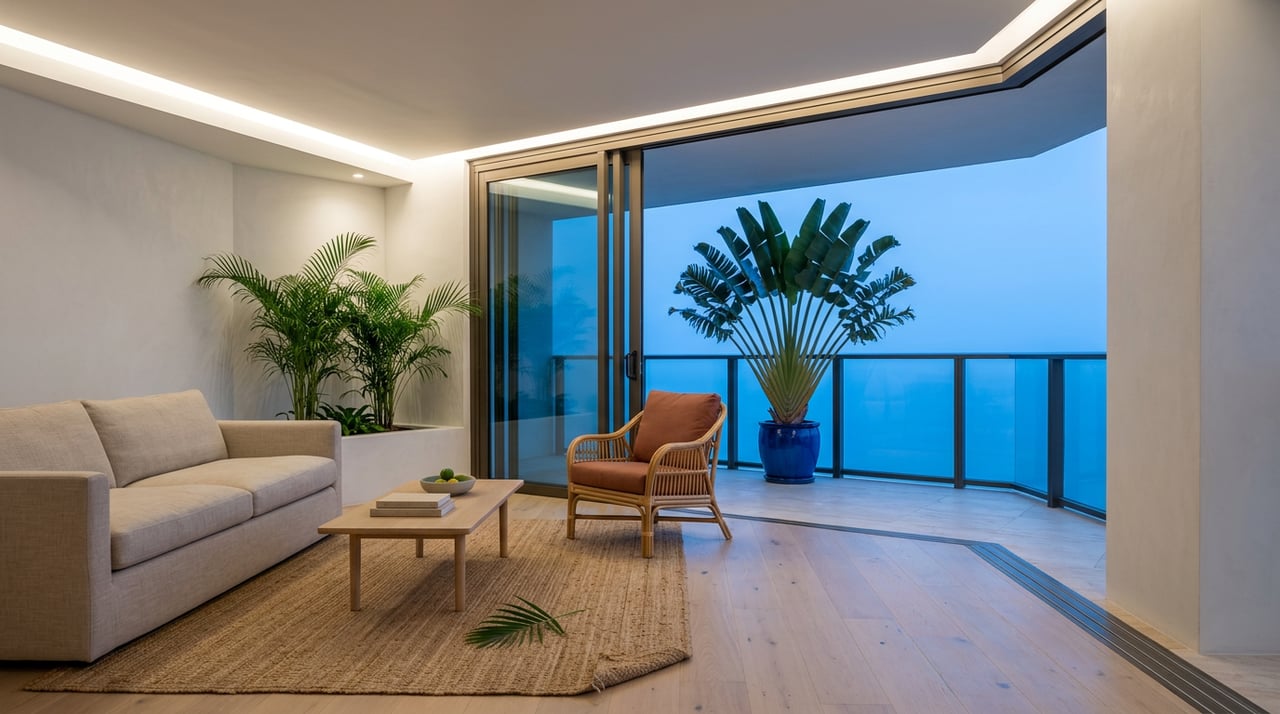
Privacy is also a real part of the value proposition. In buildings with fewer residences, private foyers, flow-through layouts, or separate residential lobbies, ownership can feel more personal and less transient.
That said, your intended use should guide your search. A buyer focused on maximum resort-style amenity scale may prefer a different submarket, while a buyer looking for discretion, design, and a calmer setting may find Surfside a better match.
The Walkable Coastal Lifestyle
Surfside’s appeal is not only about what happens inside the building. It is also about the daily experience around it.
The town describes itself as quiet, walkable, and locally oriented, with beach access, parks, and community amenities. That setting can feel especially attractive if you want the convenience of the Miami beach corridor without living in the middle of a heavier entertainment zone.
There is also broader connectivity. Miami Beach’s Beachwalk is a nine-mile oceanfront promenade connecting Miami Beach to Surfside and Bal Harbour, giving residents access to a larger coastal network while still coming home to a calmer pocket.
Long-Term Appeal and Resilience
For oceanfront buyers, long-term value is about more than design and views. It is also about how a town plans for coastal conditions and infrastructure.
Surfside’s comprehensive plan describes the town as an older, built-out community and notes resilience work including stormwater upgrades, replaced and elevated seawalls, dune surveys, flood standards, and ongoing coastal-management policies. Those efforts are part of what supports the area’s long-term livability.
At the same time, barrier-island ownership comes with responsibilities. You should be prepared to understand maintenance planning, reserve funding, and the town’s flood and evacuation context as part of your buying decision.
Questions to Ask Before Buying in Surfside
If you are seriously considering a boutique oceanfront condo in Surfside, keep your due diligence focused on a few core questions:
- How many residences are in the building?
- Does the building offer private beach access, private lobbies, or flow-through layouts?
- What do the monthly dues actually cover?
- Has the association completed the required milestone inspection and SIRS, when applicable?
- Are there current or likely future special assessments?
- Does the building’s scale and service model fit how you plan to use the property?
These questions can help you separate a beautiful building from a smart fit. In Surfside especially, the right purchase is often about alignment between lifestyle, privacy preferences, and the realities of long-term condo ownership.
If you want help comparing Surfside buildings, reviewing condo documents, or narrowing down the right oceanfront option for your goals, Christopher Ulloa offers a calm, concierge-style approach rooted in South Florida condo expertise.
FAQs
What makes a Surfside condo boutique oceanfront?
- Boutique oceanfront in Surfside usually means a smaller-scale building with fewer residences, a more private residential feel, and a design-forward approach rather than a large resort-style tower format.
Are monthly condo dues in Surfside lower in smaller buildings?
- Not always. In smaller luxury buildings, staffing, beach service, amenities, and reserve funding are spread across fewer owners, which can keep monthly dues high.
What condo documents should you review before buying in Surfside?
- You should review the annual budget, reserve study when applicable, milestone inspection summary when applicable, assessment history, and any information about planned repairs or capital projects.
Why do reserve studies matter for Surfside condo buyers?
- Reserve studies matter because Florida law requires structural integrity reserve studies for certain buildings, and those studies affect long-term budgeting, reserve funding, and ownership costs.
Is Surfside more residential than other Miami-area beach markets?
- Surfside is widely seen as more residential in feel because it is compact, walkable, lower-scale, and centered around a smaller local business district rather than a larger resort environment.
How should you compare Surfside with Sunny Isles Beach condos?
- Compare building size, number of residences, amenity scale, privacy, monthly dues, and whether you want a quieter residential setting or a larger resort-style living experience.