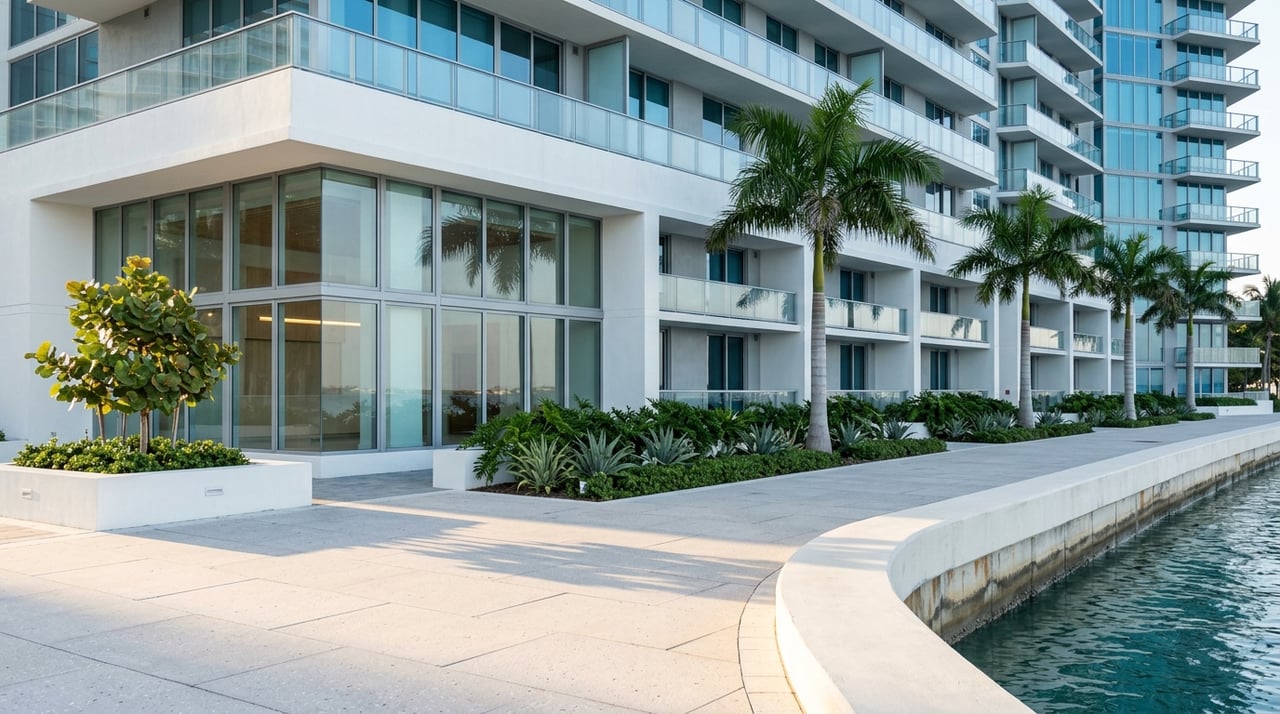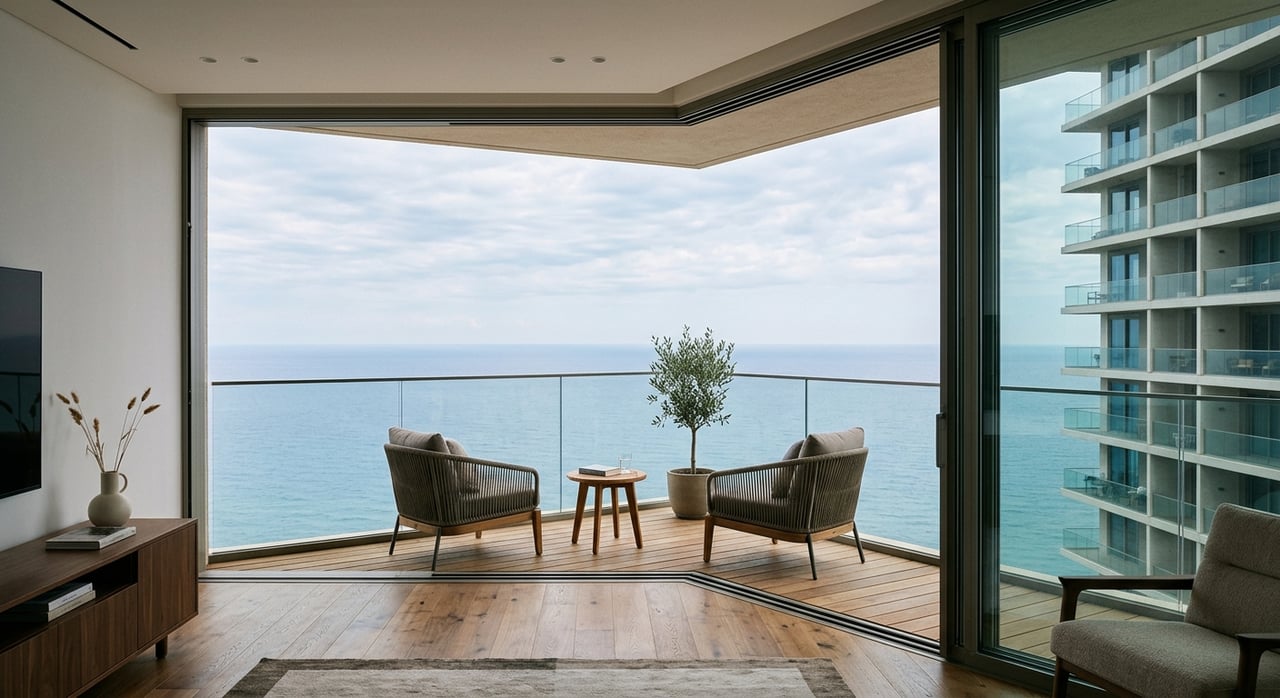
If you are picturing Sunny Isles Beach as a classic walk-everywhere neighborhood, high-rise life here may surprise you. This city is really experienced as a vertical beach destination, where your daily routine often revolves around the sand, your building’s services, and how easily you can move up and down the corridor. If you are considering a condo in the sky, this guide will help you understand what everyday life actually feels like and what to evaluate before you buy. Let’s dive in.
Beach Life Shapes the Day
In Sunny Isles Beach, the beach is not just a weekend perk. It is often the center of daily life. The city maintains multiple public beach access points along Collins Avenue, including accessible entries, and some access points include showers, restrooms, bike racks, or parking.
The public beach is open from sunrise to sunset, and the city posts beach conditions, warning flags, and lifeguard coverage. Lifeguard hours change by season, with daylight saving time hours from 9:30 a.m. to 6:00 p.m. and standard-time hours from 9:00 a.m. to 5:30 p.m. If you plan to swim often, that kind of detail matters more than many buyers expect.
Guest access also affects how you use the beach. Metered beach parking is generally $2 per hour in most lots, while the Ellen Wynne and Pier Park lots are $3 per hour. If you expect friends or family to join you often, parking logistics can become part of your normal routine.
The city also offers public Wi-Fi on the beach and in many parks, with nearly the entire beach covered by city Wi-Fi. That is convenient for casual use, but the city notes that public hotspots are not secure for private information. In practice, it is best treated as convenience Wi-Fi, not your primary work setup.
High-Rise Living Feels Like Resort Living
One of the biggest draws in Sunny Isles is the service level inside many towers. In the luxury segment, some buildings feel closer to hotel residences than standard condos, with features such as valet, security, pools, dining, spa access, housekeeping, or concierge-style services.
That lifestyle can be a great fit if you want a low-friction, amenity-rich home near the ocean. Instead of thinking only about square footage or finishes, many buyers here are really choosing a daily experience. The building itself often matters as much as the unit.
This is where the Sunny Isles lifestyle stands out. You are not only buying a view. You are also buying the quality of management, the ease of arrival, elevator access, guest policies, service standards, and how smoothly the building functions on a normal Tuesday.
Building Quality Matters as Much as the View
It is easy to fall in love with water views and amenity decks. Still, in a coastal condo market like Sunny Isles, building-level due diligence should carry just as much weight as the lifestyle appeal.
Florida requires milestone inspections for many buildings that are three stories or higher. For buildings within three miles of the coast, the inspection must happen by the year the building reaches 25 years of age, and then every 10 years after that. In a market with both older towers and newer luxury product, that timeline is important.
Florida’s Department of Business and Professional Regulation also explains that structural integrity reserve studies are meant to help associations plan funding for major building components. These studies must be completed at least every 10 years, and they are part of the association’s official records that prospective buyers can review.
For you as a buyer, the key takeaway is simple: monthly association fees do not tell the full story. If reserve funding falls short, associations may need special assessments, loans, or lines of credit to meet required funding schedules. A beautiful tower can still come with future costs if the financial planning is not where it should be.
What to Review Before You Buy
When you evaluate a Sunny Isles high-rise condo, focus on both lifestyle and operations. A practical review list includes:
- Building management quality
- Reserve health
- Milestone inspection status
- Structural integrity reserve study availability
- Guest and valet rules
- Elevator policies
- Move-in and move-out procedures
- Distance from the sand
- Access to parks, transit, and daily conveniences
That kind of review can help you compare two buildings that may look similar online but feel very different in real life.
Walkability Is Practical, Not Urban-Core
Sunny Isles Beach offers walkability, but not in the same way as a dense downtown district. Think of it as coastal-corridor walkability, where life is organized around a few useful nodes rather than a street-by-street commercial grid.
The city’s Welcome Center highlights local dining, shopping, and activities in and around Sunny Isles Beach. Visitor materials also point to seafood, outdoor concerts, moonlight yoga, and pier fishing, which reflects a lifestyle built around selected destinations instead of a traditional urban core.
One especially useful everyday hub is the Government Center. The city says this pedestrian-friendly area includes the police station, visitor center, U.S. Post Office, and a Miami-Dade County branch library. For residents, that creates a convenient place to handle several civic errands in one stop.
Sunny Isles also maintains 11 parks, including Gateway Park, Heritage Park, Pelican Community Park, and waterfront park spaces along the Intracoastal. Some parks include amenities such as free Wi-Fi, fitness rooms, event space, or dog areas. These public spaces add a lot to day-to-day life, especially if you want options beyond your building amenities.
What Walkability Really Means Here
For most residents, the most pleasant daily routines include short trips such as:
- Walking to the beach access point
- Heading to a nearby park
- Stopping by the post office or library
- Catching the shuttle
- Going to a nearby restaurant cluster
That is very livable, but it is different from a fully car-free district. Sunny Isles works best when you expect convenient short outings, not nonstop corner-to-corner retail.
Getting Around Sunny Isles
Transportation is another part of the lifestyle equation. The city’s SIBshuttle is free, runs seven days a week, and operates on three lines. It is accessible and includes a real-time tracker app, which can make local movement much easier without relying on your car for every trip.
For broader travel along the coast, Miami-Dade Transit’s 120 Beach MAX serves Collins Avenue and connects toward downtown Miami. That matters if you want an option for moving along the barrier island corridor without driving the entire route yourself.
Regional mobility also gets a boost from Brightline’s Aventura Station, located just north of Sunny Isles at 19796 West Dixie Highway. The station is open daily from 5:00 a.m. until the last train departure and offers 24-hour parking, free station Wi-Fi, and in-station lounge and food options.
This mix of local shuttle, county bus service, and nearby rail helps explain why Sunny Isles appeals to relocation buyers, part-time residents, and international buyers. The city also emphasizes its convenience to Miami and Fort Lauderdale airports, cruise terminals, and regional public transportation.
Seasonal Rhythms Are Part of Coastal Living
Living above the beach also means paying attention to seasonal patterns. Sunny Isles Beach is beautiful and active year-round, but it is also weather-aware and operationally managed.
The city notes that king tides occur in both spring and fall, and it maintains hurricane-season resources on its beach pages. Beach routines also change with lifeguard hours, warning flags, and seasonal conditions. If you are buying here, it helps to think not just about sunny photos, but also about how the city and your building operate during changing weather.
The upside is that Sunny Isles supports an active public lifestyle through the year. The city calendar includes seasonal programming, and public spaces like Gateway Park often play a role in community events. For many buyers, that balance of resort atmosphere and managed infrastructure is exactly the appeal.
What You Are Really Buying
At an early stage, many buyers think they are shopping for an ocean-view condo. In reality, you are usually buying a combination of beach access, building services, daily convenience, and regional mobility.
That is why two condos with similar views can offer very different ownership experiences. One building may have stronger reserves, smoother operations, and better guest policies. Another may have flashier marketing but more friction once you actually live there.
If Sunny Isles Beach fits your goals, the right move is to evaluate both the unit and the building with equal care. When the amenities, management, inspection history, and location all line up, life above the beach can feel easy, polished, and very Miami.
If you want clear, local guidance on Sunny Isles condos, relocation options, or how to compare buildings with confidence, connect with Christopher Ulloa.
FAQs
What is daily life like in Sunny Isles Beach high-rise condos?
- Daily life often centers on beach access, building amenities, nearby parks, practical errands, and easy movement along Collins Avenue by shuttle, car, or transit.
What should buyers review before purchasing a Sunny Isles Beach condo?
- Buyers should review the building’s management quality, reserve health, milestone inspection status, structural integrity reserve study records, guest rules, valet procedures, elevator policies, and move-in guidelines.
How walkable is Sunny Isles Beach for condo residents?
- Sunny Isles Beach is walkable in a practical beach-town sense, with access to the beach, parks, civic services, and some dining and shopping nodes, but it is not a dense urban, car-free district.
What transit options are available in Sunny Isles Beach?
- Residents can use the free SIBshuttle within the city, Miami-Dade Transit service along Collins Avenue, and the nearby Brightline Aventura Station for regional rail travel.
Why do building finances matter in Sunny Isles Beach condos?
- Building finances matter because reserve shortfalls can lead to special assessments, loans, or other added costs, so monthly association fees alone may not reflect the full ownership picture.