Wondering whether Miami Beach oceanfront or bayfront condos are the better fit? It is a smart question, because in Miami Beach, your view shapes your daily lifestyle, your transportation options, and even some of your ownership costs. If you are trying to balance beach access, boating convenience, walkability, and long-term practicality, this guide will help you sort through the tradeoffs with confidence. Let’s dive in.
Miami Beach Starts With Geography
Miami Beach sits between Biscayne Bay and the Atlantic Ocean, with more than seven miles of white sandy beaches. That simple fact drives the biggest difference between oceanfront and bayfront living.
On the east side, condos tend to center on direct beach access and Atlantic exposure. On the west side, condos tend to focus more on bay views, marina access, and easier cross-bay connections to Miami. Both sides can support a more car-light lifestyle, especially when the building is close to pedestrian improvements and transit.
Why Oceanfront Condos Appeal
If you picture stepping outside and heading straight toward the sand, oceanfront living usually delivers that experience best. For many buyers, that immediate connection to the beach is the main reason to focus on the east side.
Oceanfront condos also tend to offer a stronger resort-style feel. Miami Beach design guidelines for these properties emphasize views, light, breeze corridors, landscaped pool decks, and dune-sensitive planning that helps preserve the beach character.
Another practical draw is Beachwalk, the city’s ADA-accessible oceanfront promenade completed in 2022. If you value morning walks, biking, or a more active pedestrian routine along the water, this feature adds real day-to-day value.
Oceanfront May Fit You Best If
- You want direct beach access as part of your daily routine
- You prefer Atlantic-facing views
- You like a classic Miami Beach atmosphere
- You want to be near Beachwalk and the oceanfront pedestrian experience
- You are drawn to a stronger resort-style identity
What To Know About Oceanfront Character
Some oceanfront areas in Miami Beach also connect to the city’s historic architectural identity. Miami Beach historic districts include more than 2,600 buildings, and about 70% are considered contributing or historic.
That does not mean an oceanfront purchase is more difficult by default. It does mean that building style, façade updates, renovation flexibility, and the overall look and feel of a property may differ from what you see in newer condo towers.
Why Bayfront Condos Appeal
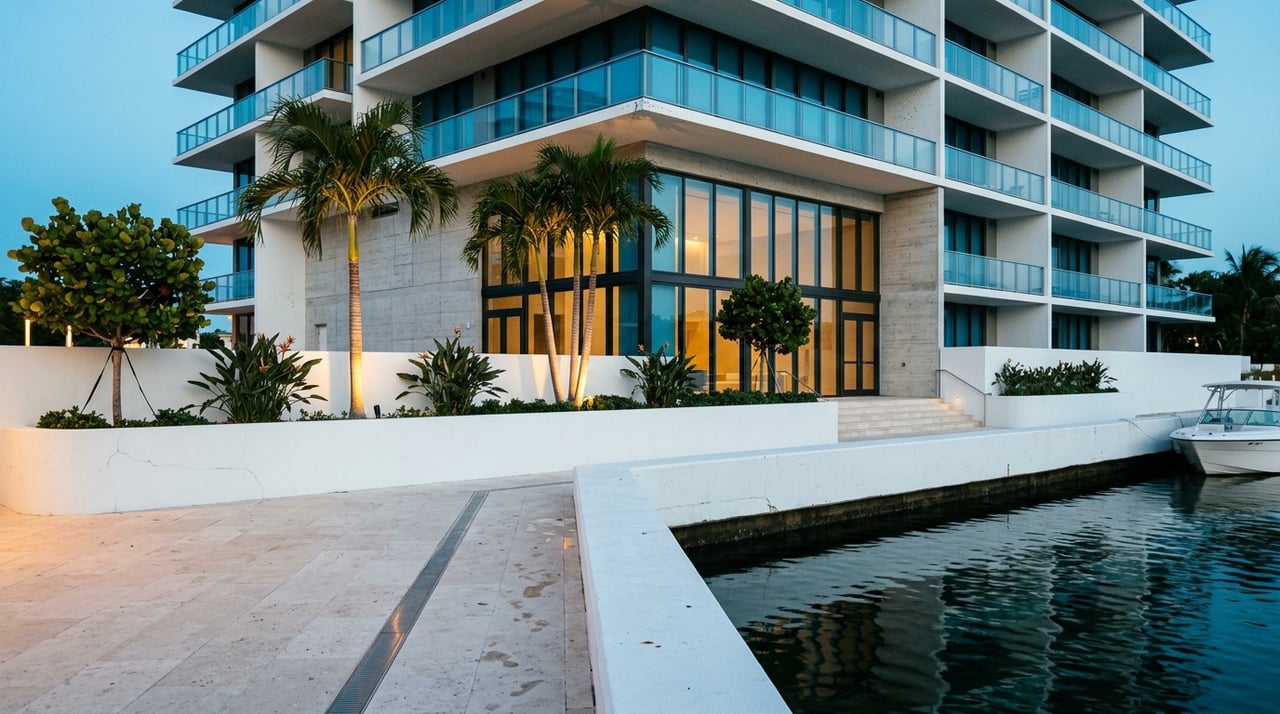
If your version of waterfront living includes boats, marinas, and sunset-facing water views, bayfront condos may be the stronger match. The west side of Miami Beach offers a different rhythm that often feels more tied to the bay as an active transportation and recreation corridor.
For many buyers, the biggest bayfront advantage is mobility. The city’s free water taxi connects Maurice Gibb Memorial Park in Sunset Harbour with the Venetian Marina and Yacht Club on the Miami side, with a weekday cross-bay trip designed to take about 20 minutes.
Bayfront living also benefits from ongoing walkability improvements. The West Avenue project is designed to make the corridor drier and more walkable, while adding wider sidewalks, buffered bike lanes, and a new Baywalk section along the waterfront.
Bayfront May Fit You Best If
- You want boating access or marina proximity
- You like west-side waterfront living
- You want easier links to bayfront walking and biking routes
- You value cross-bay access to Miami
- You prefer a water-oriented lifestyle that is not centered on the beach
Oceanfront Vs Bayfront Lifestyle
The easiest way to choose is to think about how you want your average day to feel. If you want to walk out toward the sand, hear the ocean, and lean into a beach-first routine, oceanfront is usually the better fit.
If you would rather be near marinas, bay paths, and cross-bay movement, bayfront often makes more sense. Neither choice is better in every case. The right answer depends on how you plan to live in the condo, not just how the photos look online.
Transportation Matters On Both Sides
A lot of buyers assume they will need to drive everywhere in Miami Beach, but that is not always true. The citywide trolley runs 15 hours a day, seven days a week, about every 20 minutes.
The South Beach trolley connects hundreds of destinations, including restaurants, grocery stores, pharmacies, hotels, entertainment venues, museums, parks, shopping, banks, marinas, and civic facilities. The city also says about 45% of residents, commuters, and visitors walk, bike, or use transit as their primary means of transportation.
That means both oceanfront and bayfront condos can work well for a lower-car lifestyle if the building sits in the right part of Miami Beach. When you compare condos, it helps to think beyond the unit and consider how easily you can move through the neighborhood.
Flood And Insurance Should Be A Top Filter
Views get the attention, but flood exposure and insurance deserve equal weight. Miami Beach says the city is vulnerable to storms and sea level rise, and that 93% of all buildings are in the Special Flood Hazard Area under current FEMA maps.
Those maps can affect flood zone designations and base flood elevation. The city also notes that flood insurance is required for federally backed mortgages and recommended for all properties.
For you as a condo buyer, this means the best option is not simply the side with the prettiest water view. It is the side, building, and elevation profile that fit your comfort level and your budget for ownership costs.
Before You Make An Offer, Review
- The building’s flood exposure
- Elevation and resilience considerations
- Insurance requirements and likely costs
- Any building-specific factors that could affect monthly ownership expenses
Rental Rules Are Building Specific
If you are also thinking about rental potential, do not assume oceanfront or bayfront automatically tells you anything about short-term rental flexibility. In Miami Beach, the city says vacation and short-term rentals are prohibited in all single-family homes and in many multifamily buildings in certain zoning districts.
Where rentals are permitted, city authorization is required, including a Business Tax Receipt and Resort Tax account. Association approval may also be required for the specific unit.
This is one of the biggest reasons to review each condo building carefully. If rental use matters to you, zoning and association rules are more important than whether the condo faces the Atlantic or Biscayne Bay.
A Simple Way To Decide
If you want the shortest path to a decision, start with your top priority. Buyers who care most about sand access, Atlantic views, Beachwalk proximity, and a classic Miami Beach setting usually lean oceanfront.
Buyers who care most about boating access, marina convenience, water taxi connectivity, and west-side waterfront walkability usually lean bayfront. In both cases, it is smart to pair lifestyle goals with a careful review of flood exposure, insurance costs, building details, and rental rules.
How To Shop Smarter In Miami Beach
When you tour condos, try to evaluate each one through both a lifestyle lens and a practical lens. It is easy to fall in love with a view, but the strongest purchase decisions usually come from matching the property to how you will actually use it.
A condo advisor with strong Miami Beach experience can help you compare buildings more clearly, especially if you are deciding between resale options, newer towers, or preconstruction opportunities. That kind of guidance can save time, reduce stress, and keep your search focused on what truly fits.
Whether you are looking for a beach-first home, a bayfront lifestyle, or a condo with long-term flexibility, Christopher Ulloa offers a consultative, concierge-style approach to help you navigate Miami Beach with confidence.
FAQs
What is the main difference between oceanfront and bayfront condos in Miami Beach?
- Oceanfront condos usually focus on direct beach access and Atlantic views, while bayfront condos usually focus on Biscayne Bay views, marina access, and easier cross-bay connectivity.
Are Miami Beach oceanfront condos better for walkability?
- Oceanfront condos can be strong for walkability, especially near Beachwalk, but bayfront areas also benefit from waterfront pedestrian improvements, wider sidewalks, and bike-friendly planning in some corridors.
Are Miami Beach bayfront condos better for boating?
- Bayfront condos usually appeal more to buyers who want boating access, marina proximity, and water-oriented transportation options like the city’s free water taxi connection.
Do Miami Beach condo buyers need to think about flood insurance?
- Yes. Miami Beach says 93% of all buildings are in the Special Flood Hazard Area under current FEMA maps, and flood insurance is required for federally backed mortgages and recommended for all properties.
Are short-term rentals allowed in all Miami Beach condos?
- No. Miami Beach says short-term rentals are prohibited in many properties and zoning districts, and where they are allowed, city authorization and possibly association approval are required.
How should you choose between oceanfront and bayfront condos in Miami Beach?
- Start with your daily lifestyle priorities, such as beach access or boating access, then compare each building’s walkability, transportation options, flood and insurance profile, and rental rules.