Torn between Brickell and Downtown Miami for your next condo? You are not alone. Both neighborhoods sit at the heart of the city, offer strong walkability, and deliver very different versions of urban living. In this guide, you will compare lifestyle, buildings, costs, and investment factors so you can decide with confidence. Let’s dive in.
Quick neighborhood snapshot
Brickell and Downtown are adjacent, separated by the Miami River inside the City of Miami. Both have fast access to I-95, Metrorail, and Miami International Airport. You can live car-light here, thanks to the free Metromover and frequent bus service. The core difference is feel, building mix, and price positioning.
Lifestyle and vibe
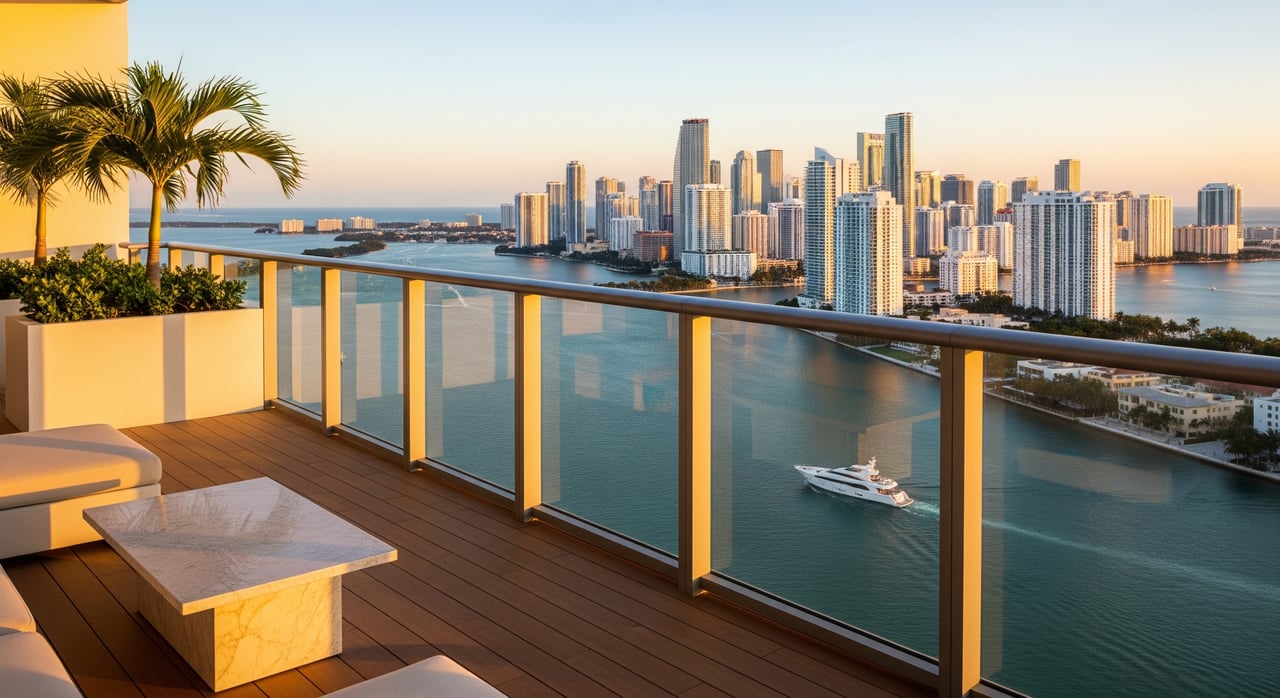
Brickell is Miami’s financial district turned luxury residential hub. You will find upscale dining, rooftop bars, boutique fitness, and destination shopping at Brickell City Centre. Evenings and weekends feel lively, and many residents work nearby.
Downtown is the civic and cultural core with government buildings, courthouses, and major venues. You are close to bayfront parks and the arts, including performance spaces and event centers. The scene is mixed-use with more daytime activity and a growing restaurant lineup.
Walkability and transit
Both Brickell and Downtown are commonly rated as highly walkable. You can reach groceries, cafes, and gyms within a short walk in most buildings. Metromover loops serve both areas, and Metrorail connects at Brickell Station and Government Center. Bike lanes and wider sidewalks have improved, but street congestion can affect peak-hour comfort.
Buildings and amenities
Brickell skews newer. Many towers were built in the 2000s and 2010s, with contemporary finishes, larger amenity decks, and concierge-style services. Brickell Key adds a distinct island setting with several luxury towers.
Downtown offers a broader mix. You will see mid-century high-rises, historic conversions, and recent towers with modern amenities. This variety creates more options in layout, size, and finishes across different price points.
Prices and investment lens
Both neighborhoods are among Miami-Dade’s pricier condo markets due to central location and vertical living. Brickell generally trades at a premium for newer luxury product and penthouses, and it often achieves higher rents per square foot. Downtown spans a wider range, from older, more affordable units to high-end new construction. If you are seeking value or renovation potential, Downtown’s older stock can offer opportunities. If you want turnkey luxury and a lifestyle brand, Brickell often fits.
Practical costs to budget
High-rise condos carry meaningful monthly costs. Plan for:
- HOA fees that fund vertical systems, staffing, amenities, and insurance
- Rising insurance premiums that affect both building and unit policies
- Potential special assessments, especially in older buildings or those completing upgrades
After the Surfside collapse in 2021, many associations increased reserve funding and structural work. You should request recent budgets, reserve studies, and insurance details for any building you consider.
Structural safety and recertification
Miami-Dade County and the City of Miami have tightened structural inspection and recertification timelines, especially for buildings reaching major age milestones. Confirm a building’s year built, the date of its last recertification, and any required repairs identified by recent reports. Buildings with completed recertification and healthy reserves can reduce near-term risk.
Financing and lender rules
Condo financing can be more complex than single-family homes. Some lenders apply strict project reviews, especially when investor concentration is high, reserves are low, or there is pending litigation. If you plan to finance, start early with a lender that understands Miami condos. Ask your agent to obtain the condo questionnaire and key documents so underwriting goes smoothly.
Rentals and short-term rentals
Rental demand is strong in both neighborhoods. Brickell units often command higher rents per square foot, while Downtown’s older stock can improve cap rates due to lower acquisition costs. Short-term rentals depend on association bylaws and City of Miami rules. Many buildings prohibit short-term stays, and licenses may be required. Always verify association rules and municipal requirements before relying on short-term income.
Parking and daily living
Parking varies by building. Some condos offer deeded spaces, others use assigned or leased garage spaces, and some smaller or older units may not include parking. Ask about guest parking, bicycle storage, and on-site storage units. Building policies for pets, deliveries, and amenity reservations also affect everyday convenience.
Who each neighborhood fits
- Young professional who wants an amenity-rich lifestyle and short walks to dining: Brickell often fits best.
- Value-focused buyer seeking lower entry pricing or a renovation play: Downtown’s older buildings can work, with careful due diligence.
- Long-term investor seeking stable rental demand: Both can perform, with Brickell delivering higher rents and Downtown offering potential cap-rate upside.
- Empty nester prioritizing services and stress-free living: Brickell’s luxury towers typically align well.
Decision checklist
Use this quick list to compare buildings side by side:
- Building age and last recertification date
- Reserve study, last two years of budgets, and meeting minutes
- Any special assessments, amounts, and payment schedules
- Master insurance policy details, including wind coverage and deductibles
- Owner-occupancy percentage, standard rental rules, and any short-term rental policies
- Average monthly HOA dues and what they cover
- Parking type and availability, guest parking policy, and storage options
- Any ongoing or past litigation
- For investors, recent rental comps, typical vacancy, and realistic net yield assumptions
How to choose with confidence
Start with your top priority, lifestyle or investment. If you want newer construction, full-service amenities, and a polished retail experience, lean Brickell. If you want wider price variety and are open to older buildings with potential, explore Downtown. Then, compare two or three buildings in each area using the checklist. You will quickly see which fits your budget, risk tolerance, and daily routine.
Next steps
Choosing between Brickell and Downtown comes down to how you want to live, what you expect from the building, and the numbers behind the HOA and insurance. When you are ready to narrow options, get the documents early and review them carefully. For a guided, stress-reducing process and building-by-building insight, connect with Christopher Ulloa. Let’s find the right fit for your goals.
FAQs
What is the main difference between Brickell and Downtown Miami condos?
- Brickell leans newer and luxury-focused with a strong nightlife and retail scene, while Downtown offers a wider mix of building ages, cultural venues, and bayfront public spaces.
How walkable are Brickell and Downtown Miami for daily errands?
- Both neighborhoods are highly walkable, with short distances to shops, gyms, and transit, including the free Metromover and nearby Metrorail stations.
Are HOA fees higher in Brickell or Downtown Miami condos?
- Fees vary by building, but high-rise condos in both areas carry significant HOA costs for staffing, amenities, insurance, and maintenance, so compare line items, not just averages.
How do insurance and special assessments affect condo costs in Miami?
- Rising insurance premiums and post-Surfside reserve and repair requirements can increase monthly and one-time costs, so review the master policy, reserve study, and any assessments.
Can I do short-term rentals in Brickell or Downtown Miami?
- Many associations restrict or prohibit short-term rentals, and the City of Miami has specific rules and licenses, so verify building bylaws and municipal requirements before you buy.
What should I ask a lender before financing a condo in these areas?
- Ask about condo project eligibility, reserve requirements, investor concentration limits, and how any pending litigation or assessments could affect your loan approval.