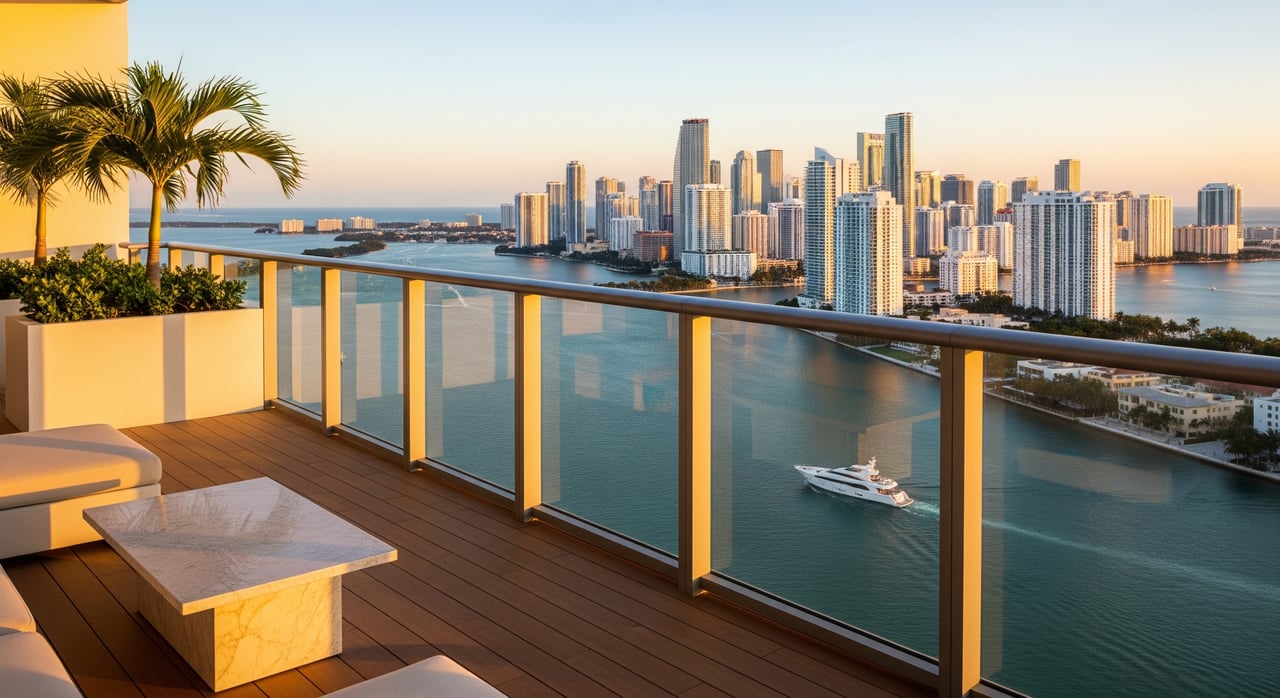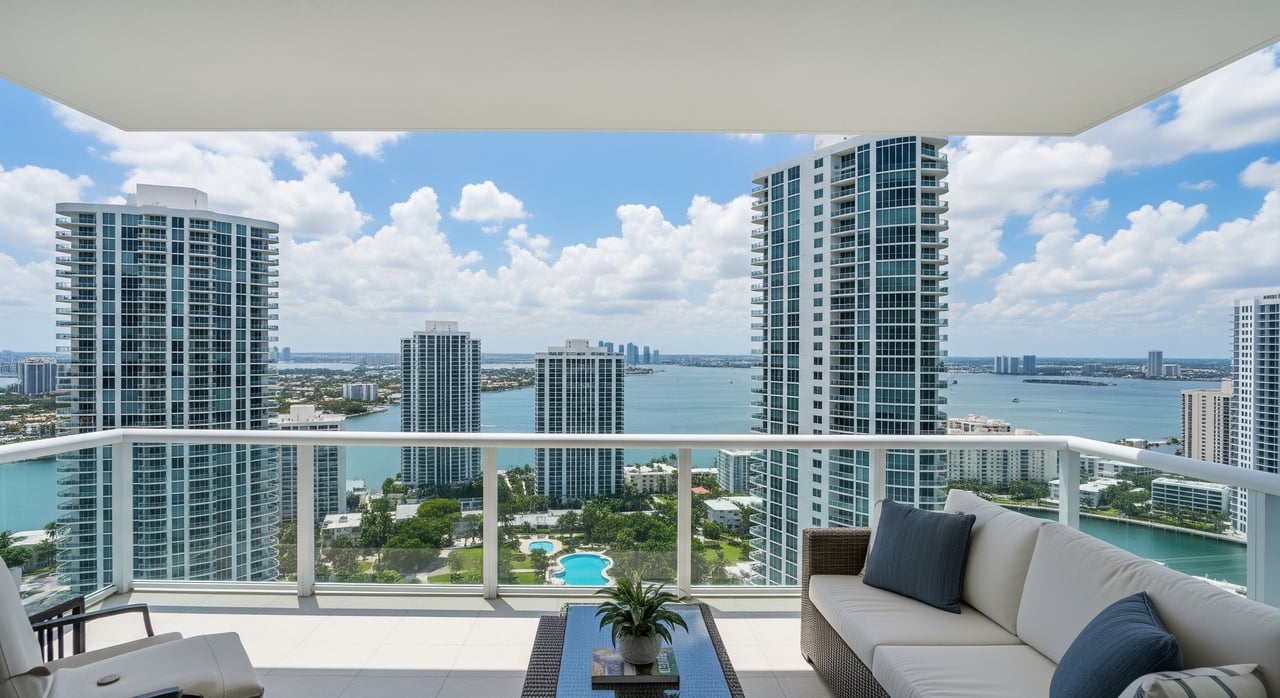
Thinking about buying an Edgewater condo for Airbnb or seasonal stays? You are not alone. Edgewater’s high-rise lifestyle and bay views attract investors, yet the rules for short-term rentals can be complex. In this guide, you will learn how to verify if a specific unit can legally operate as an STR, what to request before you make an offer, and the common pitfalls to avoid. Let’s dive in.
How STR rules really work in Edgewater
Short-term rental permission is not decided by one rule. You must clear four layers: City of Miami regulations, Miami-Dade County and Florida taxes, state condominium law, and the building’s condo documents. If any one layer prohibits STRs, you cannot operate legally.
Condo rules are often the deciding factor in Edgewater’s high-rise buildings. Even if zoning is favorable, a condominium declaration can set a 30-day minimum or ban transient stays. Plan your due diligence so you confirm permission at every level before you buy.
Zoning and City registration
Check zoning and permitted use
Start by confirming the property’s zoning and whether the City of Miami allows short-term or transient use in that zone. Some residential zones allow STRs, while others restrict them or require a Conditional Use Permit. Mixed-use or commercial zones often have different standards than purely residential districts.
Short term is commonly treated as stays under 30 days, but you should verify the City of Miami’s definition for legal certainty. Do not assume a building’s marketing or an online listing equals permission.
Registration and code compliance
Many cities require STR operators to register, obtain a local business tax receipt or license, and renew regularly. Expect to provide owner and emergency contact details, and in some cases proof of insurance or a local agent contact. City code rules on noise, parking, and trash apply to STRs and can trigger fines or revocation if violations repeat.
In Edgewater, you will coordinate with the City of Miami’s Planning and Zoning, Building, and Code Compliance teams to confirm what applies to your address, plus any special neighborhood overlays or plans that limit STRs.
How to verify with the City
- Ask the City if transient use is permitted in the property’s zone and building type.
- Confirm whether the building or unit has a history of STR violations or an existing registration.
- Request the application process, fees, renewal dates, and penalties for non-compliance.
Taxes and financial filings
Operating an STR typically triggers state and county tax obligations. You will need to register with the Florida Department of Revenue for sales and transient rental taxes, and with Miami-Dade County if a local tourist or development tax applies. Some platforms may collect certain taxes on your behalf, but you are generally responsible for proper registration and full remittance. Build tax planning into your underwriting and calendar.
Condo and HOA rules drive outcomes
What condo documents control
Condominium declarations, bylaws, and rules often set minimum lease terms, require board approval, cap the number of units that can be rented, mandate guest registration, or prohibit STRs. These documents control how a building operates day to day and are enforceable. Expect fines or other remedies if you violate them.
Florida Condominium Act context
The Florida Condominium Act (Chapter 718) sets the legal framework for association powers and procedures. Associations may adopt amendments or resolutions that change rental policies, and those changes are often recorded. Your title and document review should capture the current rules and any recent changes.
How to confirm the building policy
- Obtain the recorded declaration, bylaws, rules and regulations, and all amendments.
- Request board meeting minutes from the last two to three years to see discussions or votes on rentals.
- Ask management for a certification letter summarizing current rental policy and any pending changes.
- Review the association’s tenant or guest registration process and fines schedule.
Building policies and operations
Beyond the official documents, buildings often have practical rules that affect STR viability. Common examples include front desk registration, ID checks, owner responsibility for guest conduct, deposits or guest fees, amenity restrictions for short-term guests, and required local contacts. High-rise and luxury buildings often enforce access controls tightly. Ask management how the building enforces rules and whether there has been recent STR-related enforcement.
Insurance, financing, and flood risk
Insurance is not one-size-fits-all. Standard condo unit policies may exclude commercial activity. You may need a short-term rental endorsement or a separate policy. Notify both your insurer and the association of your intent and obtain written confirmation of coverage.
Some mortgages, especially owner-occupied loans, include leasing limits or require lender consent for STRs. Review loan documents and check with your lender or servicer before you proceed.
Edgewater sits in a coastal market where flood and hurricane exposure matter. Confirm flood zone status and factor flood insurance and storm preparedness into your operating costs and guest policies.
Buyer due-diligence checklist
Pre-purchase documents to request
- Recorded condominium declaration, bylaws, articles, rules and regulations, and all amendments.
- Board meeting minutes and any rental or STR resolutions from the last 2 to 3 years.
- Current rental policy, applications, and guest registration procedures.
- Management certification letter or estoppel confirming current rules and any changes under consideration.
- Association insurance summary, fines schedule, and dispute procedures.
- Evidence the unit is current on assessments and details on any association litigation.
- Lease or rental history for the unit, including any prior City STR registrations or licenses.
- Title and deed records to check for recorded covenants affecting rentals.
Calls and confirmations
- City of Miami: zoning permission for transient use, required registrations, and any outstanding violations.
- Miami-Dade County and Florida Department of Revenue: tax registrations and filing requirements.
- Condo association or property manager: whether STRs are allowed, any moratoriums, minimum stays, approval processes, and enforcement history.
- Insurance agent: coverage for STR use and required endorsements.
- Mortgage lender or servicer: any leasing limits or notice/approval requirements.
- Real estate attorney or title company: confirm recorded restrictions and advise if documents are ambiguous.
Red flags to watch
- The condo declaration prohibits leases under 30 days or bans transient rentals.
- New or pending amendments limit rentals, cap the number of rentable units, or reflect recent STR enforcement.
- The unit lacks required City registration or shows unresolved code violations.
- Insurer will not cover STR use or premiums increase sharply.
- Mortgage documents prohibit leasing or impose a minimum term not compatible with STRs.
- Seller cannot produce permits, tax receipts, or association approvals for claimed STR activity.
- Pattern of guest complaints, fines, or litigation related to rentals in the building.
Penalties and real-world outcomes
If you operate without proper permission, expect fines from the association or the City. Associations can also suspend certain privileges or pursue civil remedies authorized in their documents. Platforms may delist noncompliant units, which can reduce revenue immediately. You could also face retroactive tax liabilities or insurance claim denials if coverage exclusions apply.
Your next steps in Edgewater
Before you make an offer, require full condo documents, recent minutes, a current management certification, and any city STR permits or tax proof if the unit was previously rented short term. Consider including a contract contingency for legal review of STR eligibility. Build a team that understands Miami condominiums and transient rental rules. A focused, step-by-step approach reduces risk and supports your investment goals.
If you want a clear plan to evaluate a specific Edgewater building or unit, connect with a local advisor who lives in the condo market every day. For bilingual guidance, neighborhood context, and a concierge experience from search to closing, reach out to Christopher Ulloa.
FAQs
What is considered a short-term rental in Miami?
- Many places treat stays under 30 days as short term. Confirm the City of Miami’s definition and your building’s minimum lease term before you buy.
If zoning allows STRs, can my Edgewater condo still say no?
- Yes. Condo declarations and rules can prohibit or restrict STRs even if zoning allows them. You must comply with both the City and the association.
What licenses or registrations do I need to operate?
- Expect City registration or a local business tax receipt, plus state and county tax registrations for transient rentals. Verify requirements for your address.
Do Airbnb or other platforms handle all taxes for me?
- Platforms may collect some taxes, but you are typically responsible for registering and ensuring all required state and county taxes are remitted correctly.
What condo restrictions should I expect in Edgewater high-rises?
- Minimum stays like 28 to 30 days, board approvals, guest registration, caps on rentable units, added guest fees, and limits on amenity access for short-term guests.
What happens if I rent short term without approval?
- You could face association fines, City penalties, suspension of privileges, delisting by platforms, retroactive tax bills, or insurance coverage issues.