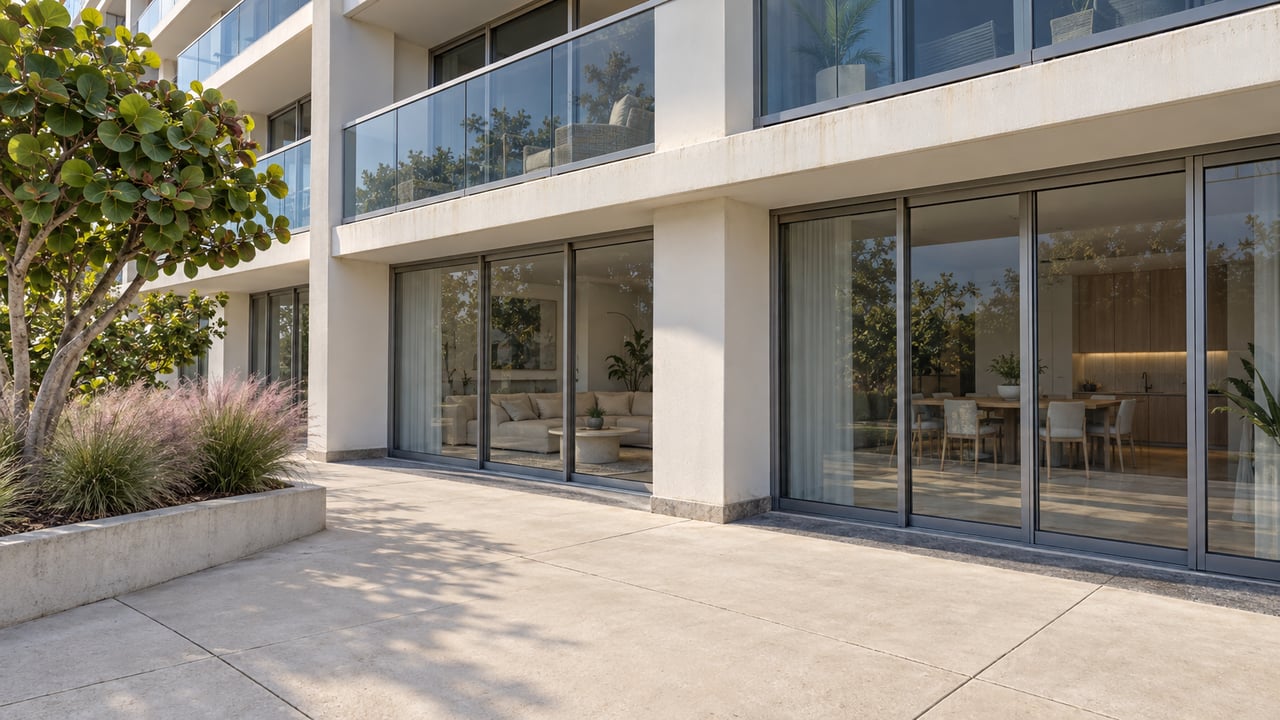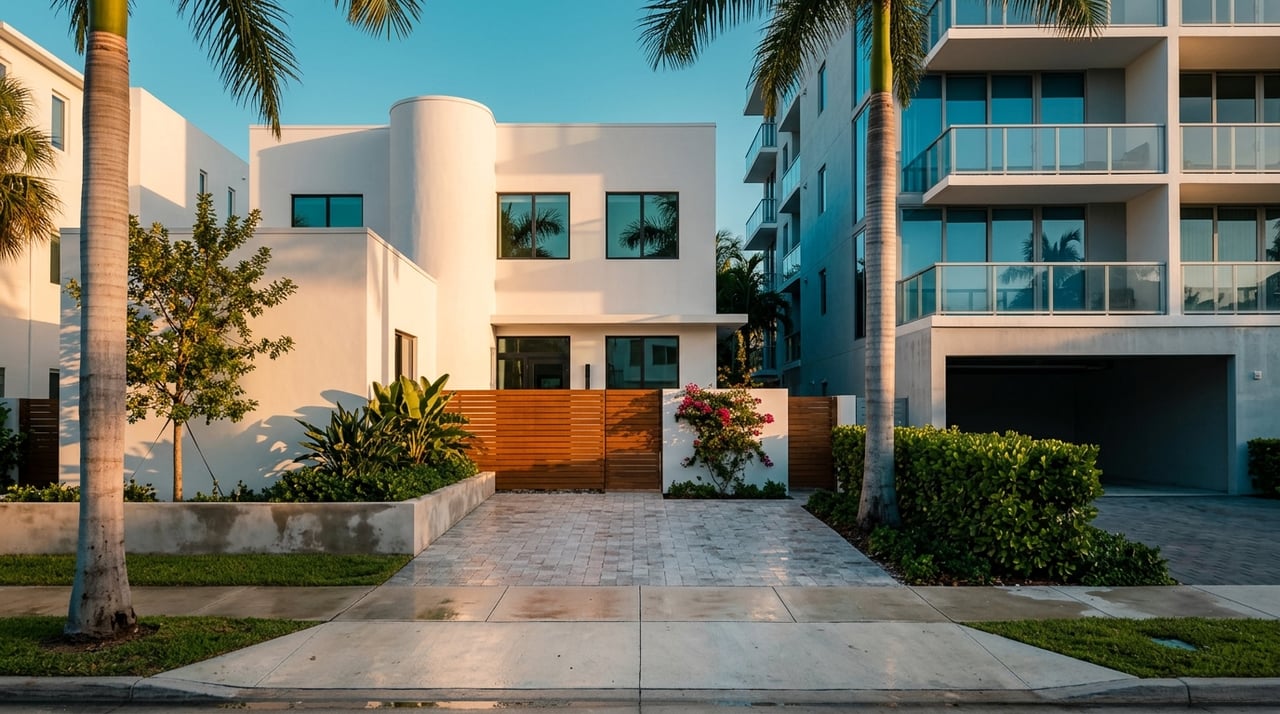
Trying to decide between a condo and a house in Miami Beach? It is a bigger question than it sounds. In this market, the choice affects your budget, your daily routine, your parking situation, and even how much risk and maintenance you take on. If you want to buy with more confidence, this guide will help you compare both options through a Miami Beach lens. Let’s dive in.
Why Miami Beach makes this choice different
Miami Beach is not one uniform market. The city highlights South Beach, Mid Beach, and North Beach as distinct areas, and the Beachwalk and complimentary trolley system connect those neighborhoods in a way that can shape how you live day to day.
That matters because a condo in a walkable corridor can feel completely different from a house in a quieter island setting. In Miami Beach, property type is only part of the decision. Your exact location, access, parking, and building setup can matter just as much.
The pricing gap is also significant. According to the latest Miami Beach/Barrier Islands market report, the overall median sale price in Q4 2025 was $745,000, but the median condo sale price was $587,500 compared with $3,650,000 for single-family homes.
Inventory tells a similar story. The same report showed 3,851 condo listings versus 377 single-family listings, which means this is not just a lifestyle decision. It is also a major budget and supply decision.
When a condo makes more sense
For many buyers, a condo is the more realistic entry point into Miami Beach. With a much lower median price than single-family homes, condos can open the door to neighborhoods and waterfront locations that may be out of reach in the house market.
A condo can also fit well if you want a more convenient, lock-and-leave lifestyle. Miami Beach’s pedestrian-friendly Beachwalk and neighborhood trolleys support a car-light routine in many areas, especially if you value nearby dining, shopping, and the beach over a larger private lot.
Another practical advantage is shared building responsibility. Under Florida’s Structural Integrity Reserve Study framework, condo associations must reserve funds for major shared components like the roof, structural systems, waterproofing, windows, and exterior doors.
That does not mean condo ownership is simple. It means some major exterior responsibilities are handled collectively rather than by one owner alone.
Condo tradeoffs to weigh carefully
The biggest tradeoff is monthly cost beyond your mortgage. Condo ownership often includes dues, and if reserve funding has been inadequate, the Florida DBPR notes that associations may need special assessments, loans, or lines of credit to meet reserve obligations.
You are also buying into a shared governance structure. Florida condo associations must keep inspection reports and reserve studies as official records and make them available to potential purchasers, according to the DBPR condo FAQs.
In other words, you are not just evaluating the unit. You are evaluating the board, the budget, the maintenance culture, and the building’s long-term financial planning.
Parking is another issue that deserves real attention. Miami Beach has residential parking zones, and the city says monthly permits for garages and lots are limited and currently have waiting lists.
Condo questions to ask before you buy
If you are leaning condo, these are smart questions to answer early:
- Is the building subject to a milestone inspection or a Structural Integrity Reserve Study?
- Are the reports current and available for review?
- Has the association already begun funding reserves properly?
- Are there any planned or recent special assessments?
- Do you get a deeded or assigned parking space?
- Is guest parking, valet, or resident-zone access part of the setup?
Florida law requires many condo buildings that are three habitable stories or higher to complete a Structural Integrity Reserve Study at least every 10 years, and milestone inspections also apply based on age and coastal location. In Miami Beach, those details can strongly affect your monthly costs and risk profile.
When a house makes more sense
A house may be the better fit if privacy and control are at the top of your list. You are not sharing walls, common areas, or board decisions, and that can make daily living feel simpler for buyers who want more independence.
There is also a supply factor that matters. In Q4 2025, there were only 377 single-family listings in the Miami Beach/Barrier Islands market compared with 3,851 condo listings, according to the market report.
That scarcity can be appealing if you are focused on long-term value in a highly constrained location. Fewer available homes often means buyers need to act with clarity when the right property appears.
Parking can be a major lifestyle advantage too. In a city where resident parking programs and limited garage inventory reflect real demand, a house with a driveway or garage can make everyday life more convenient.
House tradeoffs to expect
The main challenge is cost. The latest market data shows a median single-family sale price of $3.65 million, far above the condo median of $587,500 in the Miami Beach/Barrier Islands market.
You will also take on more direct responsibility for exterior upkeep, repairs, and storm preparation. Because Florida’s condo reserve system is built around shared components and association funding, detached-home buyers should generally expect more maintenance responsibility to sit directly with the owner.
Flood exposure is another key issue. Miami Beach says the city is low-lying and near sea level, with flood risk tied to heavy rainfall, high tides, and storm surge.
That does not mean a house is the wrong choice. It means your due diligence needs to go beyond finishes and floor plans.
Compare total monthly cost, not just price
One of the biggest mistakes buyers make is comparing a condo payment to a house payment without looking at the full picture. In Miami Beach, the better comparison is total monthly cost plus total ownership responsibility.
For a condo, your full monthly picture may include:
- Mortgage payment
- HOA or condo dues
- Reserve funding strength
- Potential assessment risk
- Parking-related costs if applicable
For a house, your full monthly picture may include:
- Mortgage payment
- Insurance costs
- Flood-related considerations
- Repairs and exterior maintenance
- Storm-hardening or drainage improvements
This is where your lifestyle and risk tolerance matter most. A condo may look easier at first, while a house may feel more flexible long term. The right answer depends on which tradeoffs fit your goals.
Flood and insurance should shape your decision
In Miami Beach, flood risk is not just a background issue. It should be part of your buying process from the beginning.
The city’s interactive flood guide explains that FEMA flood maps are used by lenders and insurers, and areas with A or V designations fall within mandatory insurance zones. Miami-Dade also provides tools to help confirm a property’s official flood designation.
This matters for both condos and houses, but the questions are different. For condos, you want to understand the building’s records, reserve planning, and any recent inspection findings. For houses, you should look closely at elevation, drainage, and storm-hardening features that match your comfort level.
The city also notes that flooding can result from heavy rainfall, high tides, and storm surge. So even within the same city, risk can vary by block, lot, and building age.
Parking can change daily life fast
Parking is easy to underestimate until you live with it. In Miami Beach, it can become one of the most important quality-of-life factors in your purchase decision.
If you are buying a condo, confirm whether parking is deeded, assigned, valet-based, or limited. Do not assume street parking will be simple, especially since the city’s resident parking zones and monthly garage permits are neighborhood-specific and inventory is limited.
If you are buying a house, a private driveway or garage can offer a meaningful convenience advantage. In a dense coastal city, that kind of control can make your daily routine easier and more predictable.
A simple Miami Beach decision rule
If you want a lower entry point, a more walkable lifestyle, and access to amenity-driven living, a condo may be the better fit. That is especially true if you are comfortable reviewing association documents, budgets, reserve studies, and inspection records before making a move.
If privacy, parking control, and day-to-day independence matter more to you, a house may be the stronger option. Just be prepared for a much higher price point, tighter inventory, and more direct responsibility for maintenance and storm-related planning.
If you are still undecided, focus on five things first:
- Your true budget range
- Your preferred daily lifestyle
- Your tolerance for shared governance
- Your comfort with flood and maintenance risk
- Your need for reliable parking
In Miami Beach, condo versus house is only half the story. Neighborhood, flood zone, building age, reserve strength, and parking rights can easily outweigh the label.
Choosing between the two is easier when you look at the numbers and the lifestyle side by side. If you want a calm, data-informed conversation about which option fits your goals in Miami Beach, connect with Christopher Ulloa for personalized guidance.
FAQs
What is the main price difference between a Miami Beach condo and house?
- In the Q4 2025 Miami Beach/Barrier Islands market report, the median condo sale price was $587,500, while the median single-family home sale price was $3,650,000.
What should you review before buying a Miami Beach condo?
- You should review the latest milestone inspection or SIRS information, the current budget, reserve funding, any recent or planned special assessments, and the parking setup.
Why does parking matter so much in Miami Beach real estate?
- Miami Beach uses neighborhood-specific resident parking zones, and the city says some monthly garage and lot permits are limited and have waiting lists, so parking can significantly affect daily convenience.
How does flood risk affect a Miami Beach condo or house purchase?
- Flood risk can affect insurance requirements, lender requirements, and your comfort with the property, so checking FEMA-based flood-zone information and local flood guidance is an important part of due diligence.
Is a house always better than a condo in Miami Beach for privacy and control?
- A house often offers more privacy and direct control, but it also usually comes with a much higher price point, less inventory, and more owner responsibility for upkeep and storm preparation.