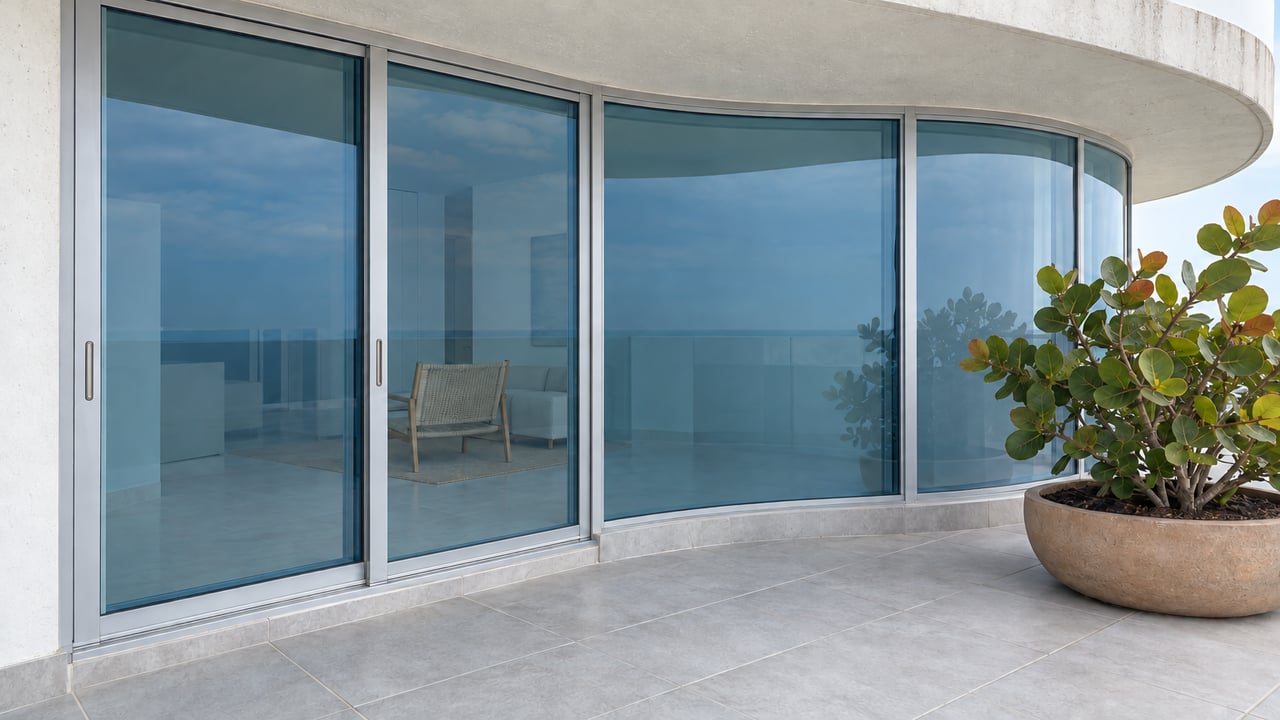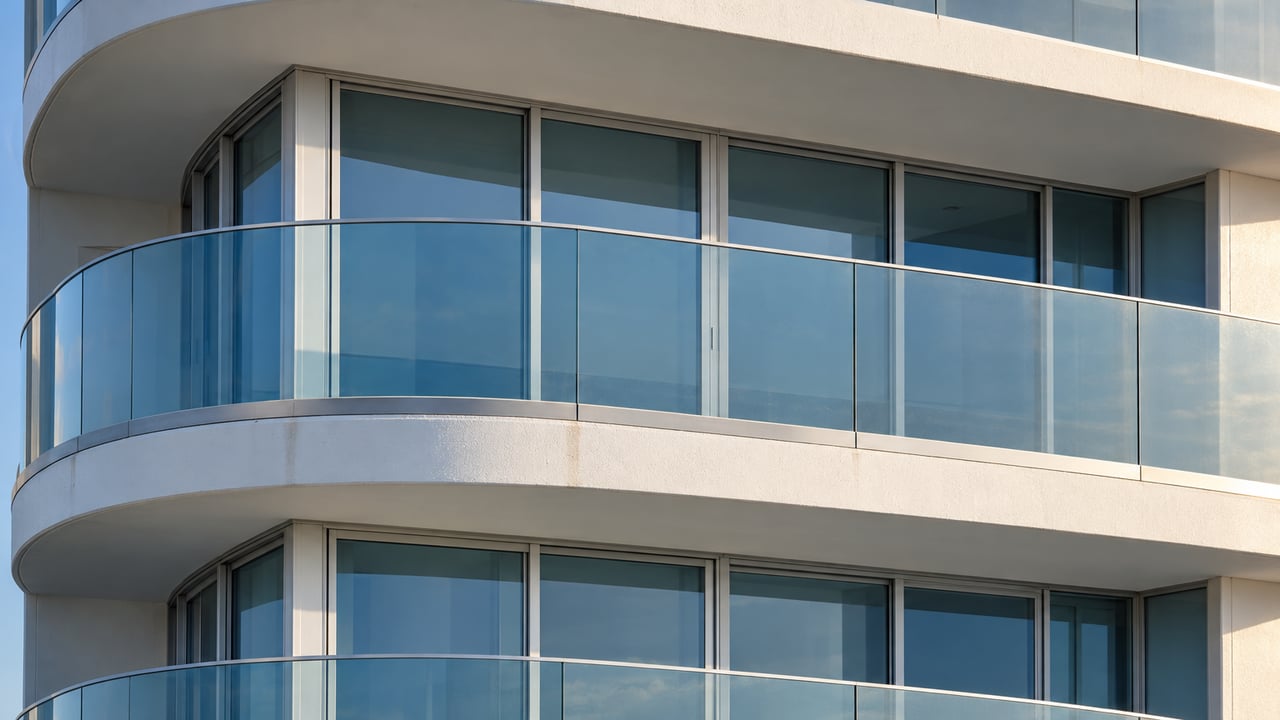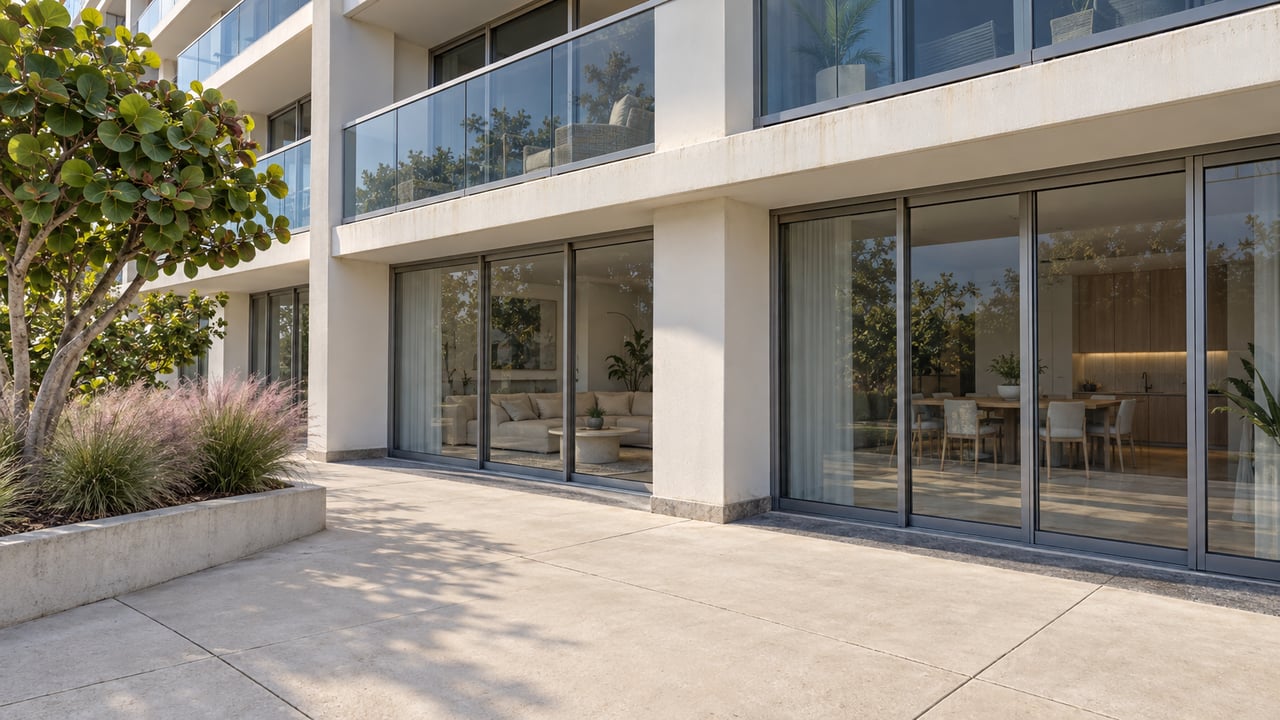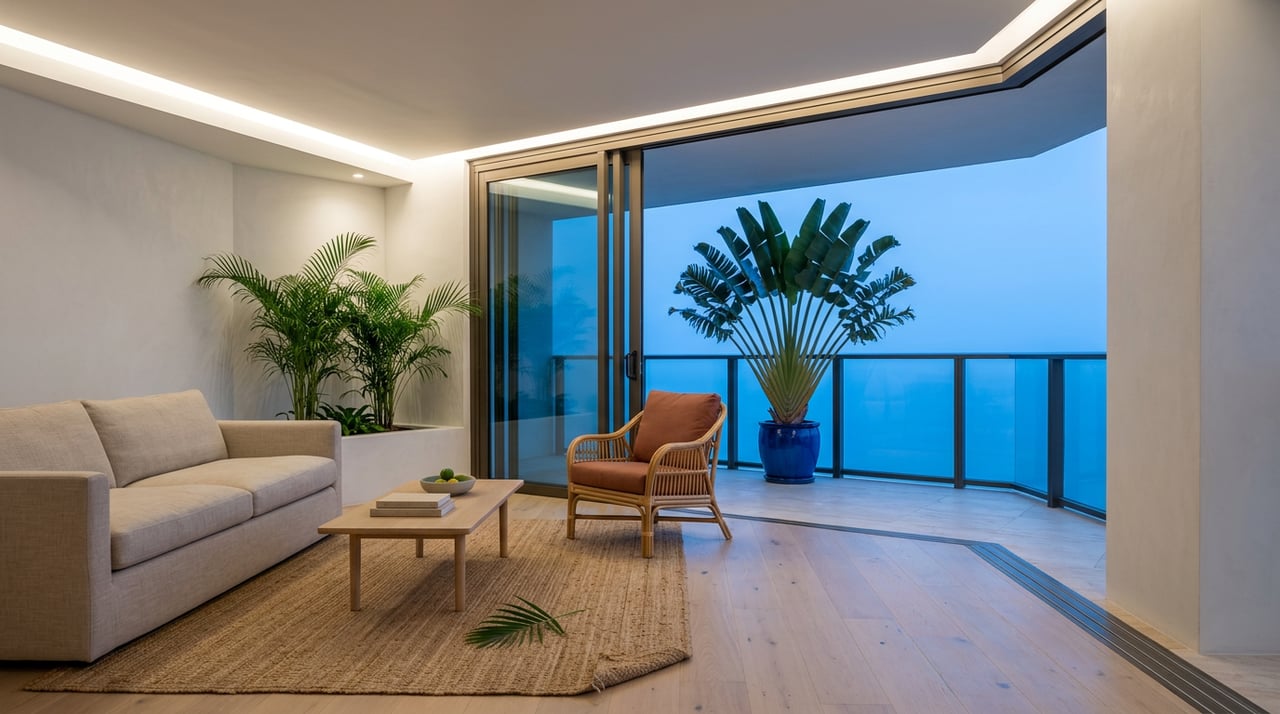
Buying a beach condo that pays for itself sounds ideal, right? In Sunny Isles Beach, the views are world-class, but the numbers only work when you respect the rules, model true costs, and buy the right building. If you want steady income and a low-stress hold, you need a clear plan for rental permissions, seasonality, HOA and insurance impacts, and building risk. In this guide, you will learn the key factors that shape returns in Sunny Isles Beach, with practical steps to protect your investment. Let’s dive in.
Sunny Isles investor snapshot
Sunny Isles Beach sits on a narrow barrier island lined with high-rise, full-service towers. Many buildings are newer and amenity rich, which often means higher purchase prices and monthly carrying costs compared to inland neighborhoods. That reality compresses yields unless you can optimize rental strategy or buy at an attractive basis.
Recent market trackers place the median condo listing price around the high six to low seven figures, with price per square foot trending higher in luxury towers. Typical 1-bedroom asking rents often range near $2,000 to $2,400 per month, while 2-bedroom asks vary widely and can run $3,500 to $5,000 or more depending on building and season. Winter brings the strongest seasonal demand from December through April, while late summer and early fall usually see lower rates and occupancy.
What this means for you: gross yields are usually mid–single digits, and net yields in luxury product often land in the 2 to 4 percent range after HOA, insurance, and taxes. Many investors treat oceanfront Sunny Isles holdings as appreciation or wealth-preservation plays unless the building allows efficient seasonal or short stays that materially lift income.
Rental rules you must confirm first
Before you underwrite income, confirm permissions at the city and building levels. The city of Sunny Isles Beach regulates short-term vacation rentals and requires a license for any stays of six months or less. The program involves registration, inspections, and enforcement. Review the city’s requirements on the official page for short-term rentals in Sunny Isles Beach and make sure your property would qualify.
Condo associations often go further. Many buildings set minimum lease terms, cap the number of leases per year, require board approval, or prohibit platform-based short stays outright. As one representative example, Avila South’s rules state that short-term rentals are prohibited, which shows how building rules can be stricter than the city’s allowance. You can see a sample of building-level restrictions on Avila South’s rules and regulations page.
Bottom line: never assume you can run short stays because the city issues licenses. You must confirm the condo declaration, bylaws, rules, and any rental addenda for the specific building.
Safety, reserves, and assessment risk
Post-Surfside reforms reshaped condo ownership across South Florida. Miami-Dade’s building recertification and the state’s milestone inspection and structural integrity reserve study requirements now push associations to properly fund and fix critical structural items. These safety steps are essential for residents, and they also affect your bottom line through reserve funding and potential special assessments. Review county guidance on recertification and milestone inspections to understand timing and compliance.
Coastal insurance markets have tightened as well, with higher master policy premiums and stricter underwriting that can lead to special assessments where reserves fall short. For a helpful overview of Florida’s insurance headwinds, see this reporting on the statewide insurance market challenges.
Action step: request and study the association’s reserve study, structural integrity reserve study if available, recent engineering reports, and any notices of planned or pending assessments. A construction-focused legal resource offers practical context on due diligence; review this construction law briefing library to better understand issues that can impact buildings and budgets.
Counting the true costs
HOA fee ranges
HOA or maintenance fees in Sunny Isles vary widely by building age, amenities, and size. Citywide snapshots show some smaller or older buildings with fees in the hundreds per month, while full-service oceanfront towers commonly run from about $1,000 to over $4,000 monthly for larger residences. Use building financials for accuracy, and consider trends over the last few years to gauge trajectory. For a high-level sense of variability, review aggregated figures on Sunny Isles Beach HOA fees.
Insurance and assessments
Master wind and flood policies for coastal towers have seen rising premiums and tighter terms. When combined with mandated reserve funding and necessary capital projects, older buildings may levy special assessments. Model these exposures by requesting the last three years of master policy invoices, current declarations page, and any notices of nonrenewal. Background on the broader market helps you understand why to budget conservatively; see the overview of Florida’s insurance market pressures.
Yield math, simplified
Here is a simple framework you can adapt. Suppose you buy near the citywide median price in Sunny Isles and place a 1-bedroom tenant at about $2,300 per month. That is roughly $27,600 in gross annual rent and about a 3.5 percent gross yield. If your HOA is $1,500 per month in a full-service tower, that alone totals $18,000 per year before property taxes, insurance, and repairs. After typical expenses, many units net between 1.5 and 2.5 percent unless you buy below market, secure a higher rent, or legally operate an optimized seasonal strategy. Always run your own building-level pro forma.
Oceanfront vs Intracoastal returns
Price and rent premium
Oceanfront towers command significant premiums for direct beach access, private beach service, and protected views. Absolute rents are higher, but the purchase price premium often grows faster than rent, which can compress yield. If you invest primarily for income, compare same-line, same-floor comps in oceanfront and Intracoastal buildings to quantify the view premium and its effect on cap rate.
Cost and risk differences
Direct ocean exposure brings salt-air corrosion, storm surge risk, and potential for higher wind and flood insurance. These factors can translate into higher HOA fees and increased assessment risk, especially in older towers. For property-level flood guidance and elevation resources, explore Sunny Isles Beach’s flood protection and elevation information.
Intracoastal buildings may carry comparatively lower exposure in some cases, with more residents seeking longer-term leases. That said, many Intracoastal properties are still at low elevations, so you should confirm each building’s elevation certificate, current insurance terms, and recent engineering reports. The best yields often come from buildings with balanced fees, solid reserves, and rental policies that fit your plan.
Due diligence checklist for investors
Use this list to structure your offer contingencies and pre-close reviews.
- Condo declaration, bylaws, rules, and rental addenda. Confirm minimum lease terms, lease frequency caps, waiting periods after purchase, tenant screening, and any platform restrictions. For context on association limits, see this overview of when associations overstep rental restrictions.
- Current operating budget, latest reserve study, and structural integrity reserve study if available. Ask for board minutes that discuss reserves or planned capital projects. A construction-focused legal resource can help you understand building-level issues; see the construction law insights.
- Insurance master policy summary, including wind and flood limits, deductibles, the last three years of invoices, and any pending changes. Background reading on Florida’s insurance market stress can help you calibrate expectations.
- Building recertification and milestone inspection status. Confirm whether the building is current, due, or under remediation. Start with Miami-Dade’s page on recertification and milestones.
- Litigation summary and vendor stability. Pending construction or insurance disputes can affect financing, timelines, and assessments.
- Rent roll and occupancy history for income properties. For seasonal or short-stay scenarios, request historical average daily rates and occupancy by month from a property manager or third-party STR analytics provider.
- Financing implications. Ask your lender to run a condo project review early. Factors like high investor concentration or active litigation can limit mortgage options. For general guidance, see this FHA condo approval overview.
- Flood profile and elevation. Obtain the building’s elevation certificate and review municipal resources on flood protection and elevation.
- If short-term rentals are allowed by the building and the city, confirm all licensing steps, required inspections, local business tax receipts, and transient tax handling on the city’s short-term rental page.
How Sunny Isles compares nearby
- Miami Beach and South Beach often have stricter short-term rental zoning in many residential areas, with strong hotel competition and event-driven demand.
- Surfside and Bal Harbour feature a smaller scale and a quieter profile, with a concentration of luxury and different liquidity patterns.
- Brickell and Downtown Miami lean business oriented, with more year-round tenant demand and a different rent-to-price balance versus beachfront towers.
These differences matter if your strategy leans toward corporate leasing, seasonal stays, or long-term tenants. Align the submarket with your revenue plan and exit strategy.
Next steps
If you want income from a Sunny Isles condo, start by narrowing to buildings where the rental policy fits your plan and the association’s financials are strong. Model cash flow with realistic HOA and insurance line items, then pressure test for special assessments. Finally, value the view premium against actual net income, not just gross rent.
Ready for building-by-building guidance and introductions to local managers and lenders? Connect with Christopher Ulloa for a tailored, data-informed path to your Sunny Isles Beach investment.
FAQs
What short-term rental rules apply in Sunny Isles Beach condos?
- The city requires a license for rentals of six months or less, and many condo buildings set stricter limits or ban short stays, so you must confirm both before buying.
What cap rate should an investor expect in Sunny Isles Beach?
- Many luxury condos net around 2 to 4 percent after HOA, insurance, taxes, and typical expenses, with potential for higher returns only when policies allow efficient seasonal or short stays.
How high are HOA fees in Sunny Isles Beach towers?
- Fees vary widely from the hundreds to over $4,000 per month depending on building tier, amenities, and unit size, so use building financials for precise modeling.
Are most Sunny Isles Beach condos friendly to short-term rentals?
- Many associations limit or prohibit short stays even if the city offers a license, so plan for longer minimum lease terms unless you confirm a building that permits seasonal or short-term use.
How do oceanfront and Intracoastal condos compare for risk and cost?
- Oceanfront units carry higher exposure to salt air and storm surge, which can mean higher maintenance, insurance, and assessment risk versus some Intracoastal buildings, but verify each building’s elevation and insurance.
What documents should I review before making an offer on a Sunny Isles condo?
- Request the condo declaration and rules, current budget, reserve and structural integrity reserve studies, insurance policies, engineering reports, recertification status, litigation summary, and any planned assessments.