Wondering which Downtown Miami condo amenities actually help a unit hold value over time? It is an important question, especially in a market where amenities can shape your daily lifestyle and your long-term resale appeal. If you are comparing buildings, this guide will help you focus on the features that tend to matter most, the tradeoffs behind monthly fees, and the due diligence steps that can protect your purchase. Let’s dive in.
Why amenities matter in Downtown Miami
In Downtown Miami, amenities often do more than add comfort. They act like an extension of the neighborhood because you are living in a dense urban core where convenience, mobility, and shared spaces play a big role in everyday life.
The Miami Downtown Development Authority says more than 100,000 people live Downtown and the district supports more than 155,000 jobs. Its planning goals emphasize transit, public spaces, mobility, and livability, which helps explain why buyers pay close attention to what a building offers beyond the unit itself.
Prioritize amenities with broad appeal
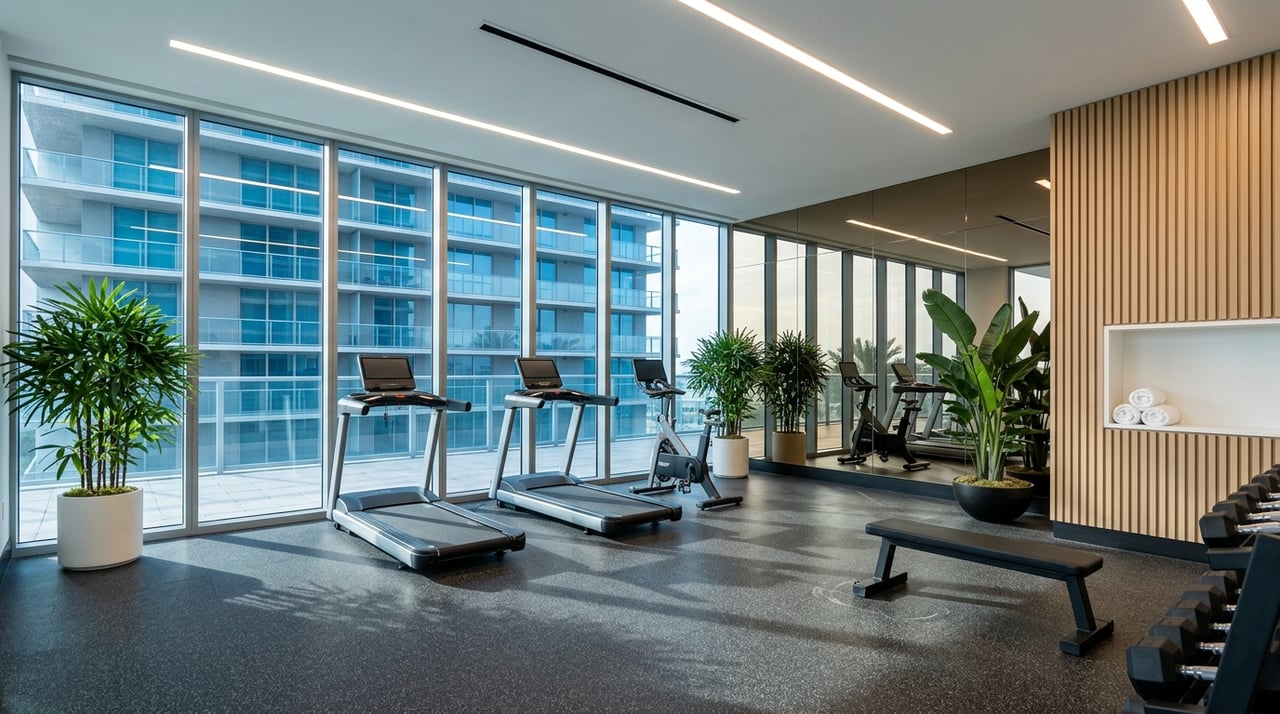
If your goal is value retention, start with amenities that appeal to the widest pool of future buyers. In Downtown Miami, the most durable categories are usually 24/7 concierge or security, valet or parking, a usable pool deck, a real fitness space, and flexible common areas like a lounge, business center, or clubhouse.
That pattern shows up across current listings in buildings such as 50 Biscayne, Vizcayne, The Elser, and Paramount. While each building has its own personality, the common thread is clear: buyers tend to respond first to services and spaces they can use regularly.
Core amenities that tend to age well
These features usually support everyday convenience and broad resale appeal:
- 24/7 concierge or security
- Valet service or dependable parking
- Pool and sun deck
- Fitness center or wellness space
- Lounge, clubhouse, or business center
- Easy-to-understand service package
When you see these basics done well, you are often looking at a building with more consistent demand across different buyer types, including primary residents, second-home buyers, and some investors.
Be careful with niche amenity overload
Some Downtown towers stand out with highly specialized extras. Paramount Miami Worldcenter, for example, advertises features such as a golf simulator, jam room and recording studio, sports courts, soccer field, dog park, and observatory, while The Elser highlights rooftop event space, yoga, and beach-club access.
These amenities can absolutely help a building stand out. Still, they often appeal to a narrower audience than core services like security, parking, pool access, and fitness facilities.
A simple way to think about amenity value
When budgets get tight, it usually helps to rank amenities in this order:
- Building services first
- Daily-use amenities second
- Niche lifestyle features last
In practical terms, it is often smarter to buy in a building with strong security, concierge, parking, pool, and gym than to stretch your budget for a flashy amenity deck you may rarely use. That approach can also matter when you think about the ongoing cost of maintaining those extras through association fees.
Compare buildings by service level
Downtown Miami has a wide range of condo towers, and amenity packages often reflect building age, positioning, and ownership model. Looking at a few current examples can help you understand what you are really paying for.
The Loft Downtown: simpler amenity profile
The Loft Downtown, built in 2005, is an example of a more basic Downtown building profile. A current listing shows HOA dues of $640 per month, with limited association amenities centered on a business center, plus a ground-floor laundry facility noted in the listing.
For some buyers, that simpler setup can work well if location matters more than extensive services. But from a value standpoint, it may not compete the same way with full-service buildings that offer a broader convenience package.
50 Biscayne: classic full-service appeal
50 Biscayne, built in 2007, sits in a classic full-service category. A current listing shows HOA dues of $1,446 per month and amenities including a billiard room, business center, cabana, clubhouse, fitness center, pool, sauna, spa hot tub, and elevators, along with a 3-story lobby, heated infinity pool, cabanas, and 24/7 concierge and security.
This is the kind of package that tends to hold broad appeal. It balances strong services with leisure features that many buyers can picture using regularly.
Vizcayne: resort-style without ultra-luxury fees
Vizcayne, built in 2008, offers a more resort-style experience. Current listings show HOA dues around $1,018 per month, with amenities that include a business center, clubhouse, fitness center, barbecue and picnic area, pool, sauna, spa hot tub, storage, and elevators. Another current listing describes four pools, a spa, theater, business lounge, conference rooms, and 24/7 concierge and security.
For buyers who want a richer common-area experience, Vizcayne shows how a building can offer a strong amenity mix without necessarily reaching the highest fee tier in the market.
The Elser: newer and flexibility-focused
The Elser Hotel & Residences, built in 2022, represents a newer model. A current listing shows HOA dues of $494 per month, while the property’s amenities include a large pool deck, outdoor theater, fitness center, 24/7 concierge, rooftop hot tub, yoga deck, rooftop lawn deck, beach-club access, and full kitchens in every suite.
The same listing describes the property as a high-end short-term rental investment opportunity. That makes it especially relevant if flexibility is part of your long-term plan, though you should always weigh that appeal alongside the building’s rules and carrying costs.
Paramount: the ultra-amenitized outlier
Paramount Miami Worldcenter, built in 2019, is the outlier in this sample. A current listing shows HOA dues of $3,888 per month, with amenities that include direct access to Miami Worldcenter, 24-hour valet, business center, yoga studio, basketball half-court, racquetball, spa and salon, indoor sports center, game room, golf simulator, jam room and recording studio, resort-style pools, tennis courts, soccer field, dog park, and observatory.
This kind of building can be very compelling for a certain buyer. Still, it is also a reminder that more amenities do not automatically mean better long-term value for every purchaser, especially if you will not use much of what you are paying to maintain.
Look beyond the amenity list
One of the biggest mistakes buyers make is comparing buildings based only on the number of amenities. The current listings in this sample show monthly dues ranging from $494 at The Elser to $640 at The Loft Downtown, $1,018 at Vizcayne, $1,446 at 50 Biscayne, and $3,888 at Paramount.
That spread suggests that fees are influenced by more than just amenity count. Building services, unit size, ownership structure, and what is bundled into the dues can all affect your monthly carrying cost.
Focus on carrying cost, not marketing headlines
When comparing condos, ask yourself:
- What is my true monthly cost to own here?
- Which amenities would I actually use every week?
- Does the fee match the level of service?
- Would a future buyer likely value this package too?
A strong condo choice is usually one where the amenity package makes sense for the fee, not one with the longest list of attention-grabbing features.
Florida condo rules now matter more
In Florida, association health has become a major part of the condo conversation. The Florida Department of Business and Professional Regulation says residential condos and co-ops that are three stories or higher must complete Structural Integrity Reserve Studies every 10 years after creation. Milestone inspections are also required at certain ages, depending on how close the building is to the coastline.
The DBPR also says these reports are part of the association’s official records and must be provided to potential purchasers. If a Structural Integrity Reserve Study shows reserves are insufficient, the association may need assessments, a loan, or a line of credit to meet funding requirements.
Review documents before you commit
This is where value protection becomes very real. A beautiful pool deck or impressive lobby does not mean much if the association is underfunded or large future costs are building in the background.
Before you decide that a building’s amenities justify the price, request and review the association’s key records. In Downtown Miami, this step is just as important as touring the gym or checking the view.
Condo due diligence checklist
Ask for these items before moving forward:
- Current association budget
- Reserve schedule
- Most recent Structural Integrity Reserve Study
- Any milestone inspection report
- Recent special assessment history
- Rules that affect future use, including rental policy if relevant to your plans
These documents can help you understand whether the building’s amenities are being supported by stable planning and transparent governance.
Ask better questions before you buy
The best condo decisions usually come from asking practical questions, not just reacting to finishes and views. In a market like Downtown Miami, that mindset can help you buy with both lifestyle and resale in mind.
Here are a few smart questions to keep in your comparison process:
- Are the amenities I care about used daily or mostly for marketing?
- Are the monthly fees understandable and reasonable for the service level?
- Do the association documents suggest stable reserves?
- Is the rental policy compatible with my future plans?
- Will this amenity package still make sense to buyers a few years from now?
If you can answer those questions clearly, you are usually closer to identifying a condo that offers both livability and stronger long-term appeal.
The best value is often balanced
In Downtown Miami, the amenity package that tends to hold value best is not always the biggest or flashiest. More often, it is the one that combines dependable building services, daily-use spaces, and manageable carrying costs in a way that makes sense for a broad range of future buyers.
If you want help comparing Downtown Miami condo buildings through both a lifestyle and resale lens, Christopher Ulloa offers a concierge-style, data-informed approach to help you narrow your options and move with confidence.
FAQs
What condo amenities matter most for resale in Downtown Miami?
- The amenities with the broadest resale appeal are usually 24/7 concierge or security, valet or parking, a usable pool deck, a fitness center, and flexible common areas like a lounge, clubhouse, or business center.
How do HOA fees compare across Downtown Miami condo buildings?
- In the current building examples from the research, monthly dues range from $494 at The Elser to $640 at The Loft Downtown, $1,018 at Vizcayne, $1,446 at 50 Biscayne, and $3,888 at Paramount, showing why you should compare total carrying cost rather than amenity count alone.
Why do Florida condo reserve studies matter when buying in Downtown Miami?
- The Florida DBPR says many residential condos and co-ops three stories or higher must complete Structural Integrity Reserve Studies, and those records must be provided to purchasers, making them an important part of understanding future funding needs and potential assessments.
What documents should you review before buying a Downtown Miami condo?
- You should request the current budget, reserve schedule, most recent Structural Integrity Reserve Study, any milestone inspection report, and recent special assessment history before deciding whether a building’s amenities justify the price.
Do luxury amenities always help a Downtown Miami condo hold value better?
- Not always. Specialized features can help a building stand out, but core services and daily-use amenities often support broader buyer appeal over time.