Thinking about reserving a condo in Edgewater before the first shovel hits the ground? Preconstruction can unlock early pricing, prime lines, and fresh finishes, but it also comes with deposits, timelines, and fine print you need to understand. In this guide, you’ll get a clear roadmap to the process, the legal protections that help you, typical deposit structures, construction realities after Surfside, financing and tax basics, and a practical checklist to move forward with confidence. Let’s dive in.
How preconstruction works in Edgewater
Preconstruction purchases usually follow four stages: reservation, contract, construction, and closing. You start with a reservation on a specific line while the developer finalizes the purchase agreement and disclosure packet. By statute, reservation funds must be held in escrow and are refundable on request until you sign the binding contract. You should also receive an escrow receipt from the escrow agent, which is required under Florida condo law. You can review Florida’s condominium statute for escrow rules and buyer protections in Chapter 718 of the Florida Statutes to understand the framework that applies to these transactions. See the state’s condo law overview on flsenate.gov.
Once you sign the purchase agreement, your deposit schedule and all major terms are set. Florida law requires the developer to deliver specific disclosures, and you have a brief voidability window after you receive them. That timeline and the required documents are spelled out in Section 718.503.
Construction then moves through milestones like permitting, groundbreaking, slab pours, topping out, and façade enclosure. Developers often tie staged deposits to these events. Delivery occurs after the building receives a Temporary or Final Certificate of Occupancy. Timelines in marketing are estimates, not guarantees, and contracts typically include broad delay clauses. For a plain‑English overview of how these stages play out on the ground, see this guide to how preconstruction works from a Miami real estate attorney’s blog, which explains typical sequencing and expectations during the build phase (shaynadavidovhanson.com).
At closing, you pay the remaining balance, either in cash or with a mortgage. After delivery and initial operations, the developer turns association control over to unit owners per Florida turnover rules, and the association takes responsibility for ongoing reserves, insurance, and common‑area upkeep.
Deposits and escrow protections
Florida’s condo statute requires developers to place buyer deposits in escrow with an independent escrow agent. Deposits up to 10 percent are held in escrow and treated as protected funds. Sums beyond 10 percent are generally kept in a special escrow account and are subject to strict rules that limit developer withdrawals before closing. Failure to follow escrow law can render a contract voidable and require refund with interest. You can review the statute’s escrow and refund framework in the state’s condo law overview on flsenate.gov.
Reservation deposits deserve special attention. They must be placed in escrow and are refundable upon written request until the reservation converts to a binding contract. Always verify the named escrow agent, confirm wire instructions directly with that firm, and keep your escrow receipt.
In Miami launches, preconstruction deposit schedules are usually staged and total roughly 20 to 50 percent before closing. For many Edgewater towers, a common pattern is a small reservation, 10 to 20 percent at contract, another 10 percent at groundbreaking, and another 10 percent at top off, with the balance due at closing. Ultra‑luxury launches sometimes require 40 to 50 percent before closing. These ranges vary by cycle, brand, and demand. See example deposit frameworks summarized in this overview of Miami preconstruction deposit schedules (millionluxury.com).
Two practical checks help you protect your funds. First, confirm whether the escrow agent is truly independent of the developer and request the exact escrow agreement before wiring. Second, read the purchase agreement to see if the developer can request any release of funds over 10 percent during construction, since some contracts allow limited withdrawals once certain milestones are met.
Contract terms and buyer safeguards
Developer disclosure is your first line of protection. Florida requires that you receive specified documents, including a prospectus and budgets, and the contract must include a conspicuous legend notifying you of a short voidability right. If these items are not delivered, your contract may be voidable under the statute. The timing and scope of this right are outlined in Section 718.503. Mark your calendar when disclosures arrive so you do not miss the deadline.
Assignment rules are project specific. Under Florida law, contracts can be assignable unless the contract limits or prohibits assignment, and many Miami developers either allow assignments with written consent and a fee or block them for a period. If you plan to sell your position before closing, you need to read the assignment clause, any required approval process, and any transfer fee. For the legal baseline on assignments in Florida contracts, see this primer on assignment of contract rules (legalclarity.org). Investors sometimes buy with the intent to assign, but that only works if the developer’s agreement permits it and you follow the process.
Warranties and punch lists matter at delivery. Builders commonly provide one‑year workmanship coverage, two‑year systems coverage, and longer structural warranties. Always review the warranty booklet and the punch‑list process before you close. For a practical overview of common warranty frameworks in new construction, see this Miami new‑construction explainer (shaynadavidovhanson.com).
Finally, remember mechanics liens. Contractors and suppliers can file construction liens in Florida if they are not paid, which can complicate closings. Title companies handle this with notices, lien releases, and title endorsements, but you should confirm the title company’s lien‑release procedure ahead of time. Florida’s construction lien law is summarized in Chapter 713 of the Florida Statutes, available on flsenate.gov.
Timelines, inspections and ownership costs
Most high‑rise projects in Miami take about 24 to 48 months from groundbreaking to final Certificate of Occupancy, but weather, labor, supply chains, financing, and permitting can extend delivery. Developer contracts state an estimated completion date and usually include detailed delay clauses. Expect the unexpected and plan your move‑in timing with cushion.
After the Surfside tragedy, Florida adopted stronger building‑safety rules that affect condos statewide. New laws created milestone structural inspections and stricter reserve requirements, along with public implementation guidance from the state. If you are evaluating older buildings nearby or planning future resales, ask for any milestone inspection summaries and the Structural Integrity Reserve Study. You can review the milestone timeline and guidance on the Department of Business and Professional Regulation’s site (condos.myfloridalicense.com).
Stricter reserves and more frequent inspections have raised HOA budgets in many buildings across Miami‑Dade. In some associations, these changes, combined with higher insurance, have led to significant special assessments. Budget the full monthly carrying costs and stay alert to reserve funding updates and any pending assessments. For context on how reserves, insurance, and assessments affect ownership costs in Miami condos, see this overview on the true cost of ownership (millionluxury.com).
Financing and taxes for local and international buyers
Most buyers finance the balance at closing, not the staged deposits. Lenders that fund new‑construction closings will order a final appraisal and review the project’s documents near completion. If you plan to finance, engage a lender early and build your cash plan for deposits so you are never short during milestone draws.
International buyers have options through specialized foreign‑national mortgage programs. These loans often require larger down payments, frequently around 25 to 30 percent for investment properties, and they use alternative documentation like international bank statements and proof of funds. Terms and documentation vary by lender, so it helps to speak with a team that regularly serves non‑resident buyers. For a snapshot of typical foreign‑national requirements, see this overview of buying Florida property as a non‑resident (americamortgages.com).
If you are a foreign owner planning to sell or assign later, be aware of FIRPTA. When a foreign person sells a U.S. real property interest, buyers often must withhold a portion of the gross sales price and remit it to the IRS. Withholding rates and exemptions vary by price and intended use, and there is a process for withholding certificates. Review the Internal Revenue Manual’s section on real property withholding for background and consult a U.S. tax attorney and cross‑border CPA before contracting (irs.gov).
At closing, expect developer and third‑party charges. Many new‑construction closings include a working capital contribution to the association and other project‑specific fees, along with title and lender costs. Model both your staged deposits and your closing costs up front so you can plan total cash out accurately.
Edgewater finishes and sample towers
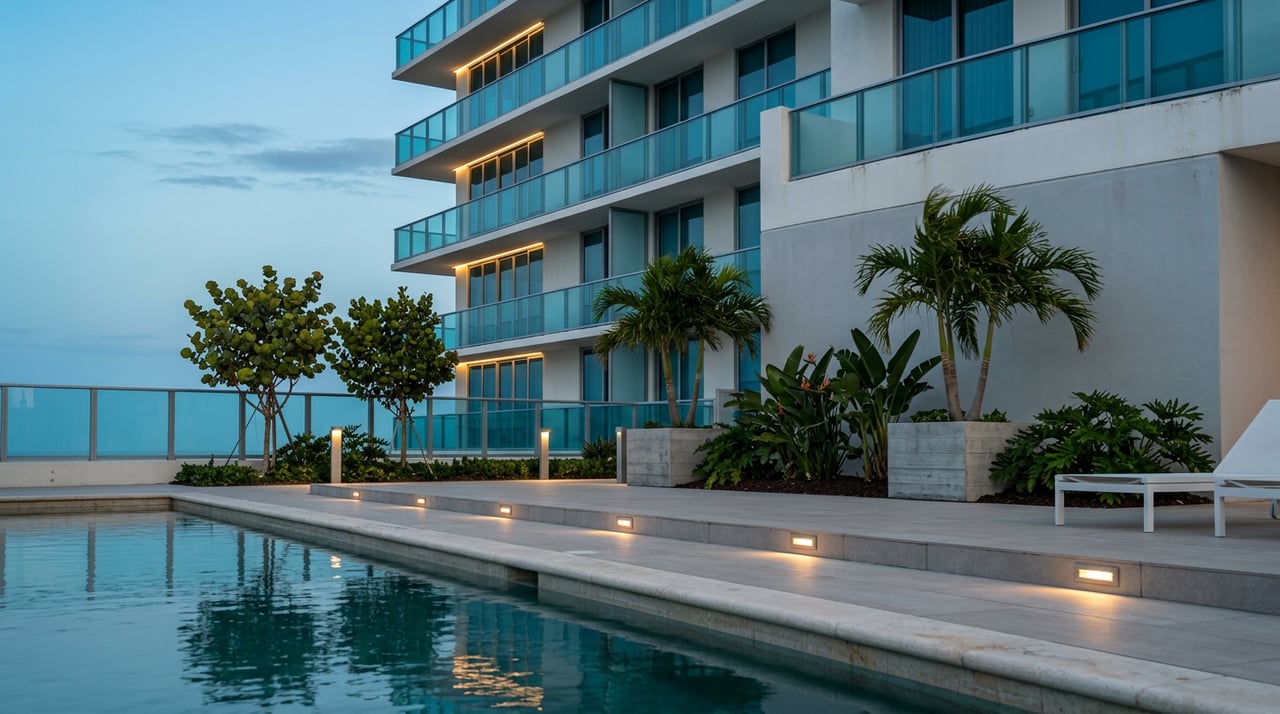
Edgewater’s modern condo towers often deliver floor‑to‑ceiling glass, European cabinetry, built‑in appliance packages, stone or quartz countertops, and generous terraces. Amenity decks tend to feature multiple pools, fitness and spa programs, lounges, and curated indoor‑outdoor spaces. For a public example of finishes and amenities in the neighborhood, see the amenities and services highlighted at Biscayne Beach, which include floor‑to‑ceiling glass, Snaidero cabinetry, and a members‑only beach club (biscaynebeachedgewater.com).
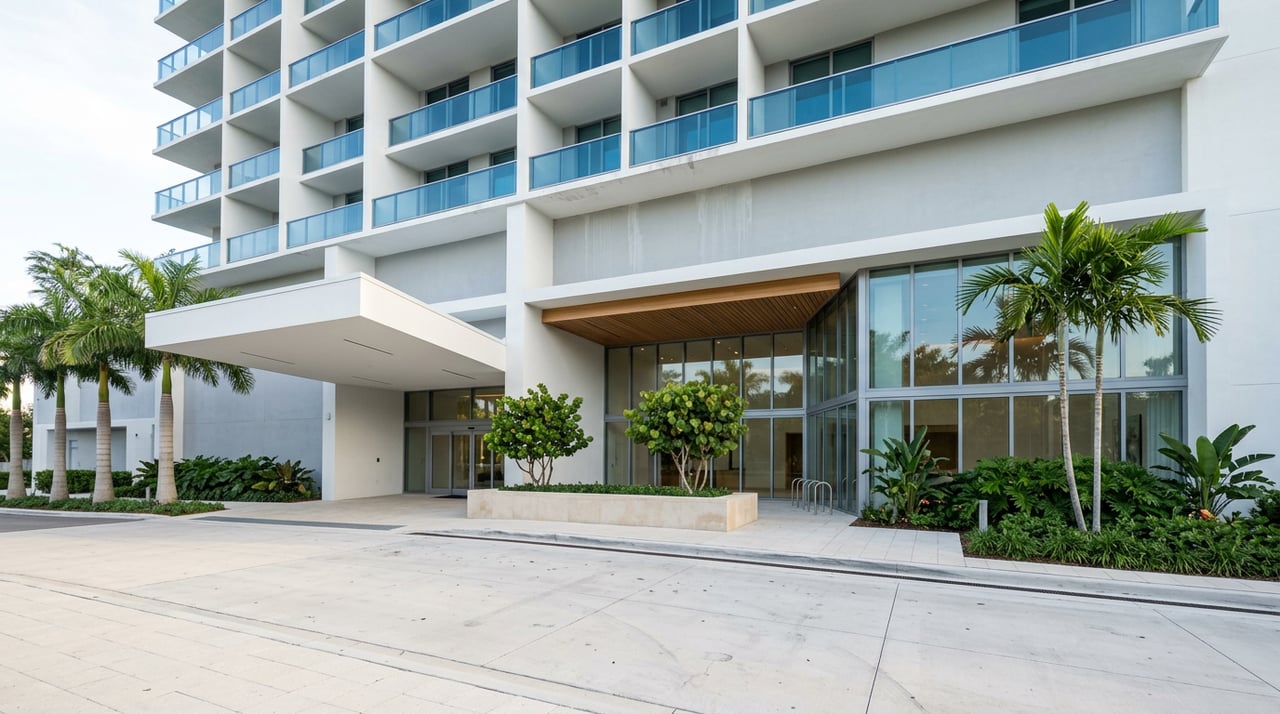
To picture the range of product types in Edgewater, look at a few well‑known towers and districts. Elysee Miami is known for private elevators and high‑end designer packages. The Paraiso District offers a bayfront enclave with a private beach club and marina access across several towers. ICON Bay shows what a bayfront tower with a waterfront park and expansive amenity deck can feel like. Each building has its own specifications, so always verify brands, finish levels, and upgrade options in the current developer materials before you purchase.
Due‑diligence checklist for Edgewater buyers
Use this quick list to stay on track:
- Confirm the escrow agent’s identity and independence, and review the escrow agreement for both reservation and contract deposits. Florida’s condo statute in Chapter 718 outlines escrow and refund rules.
- Obtain the full developer disclosure packet and note your statutory voidability window under Section 718.503. Do not miss this deadline.
- Have a Florida real estate attorney review the purchase agreement, especially the assignment clause, any developer withdrawal rights for deposits over 10 percent, liquidated damages, and delay or force‑majeure language. For assignment basics, see the Florida contract assignment primer (legalclarity.org).
- Ask for any available milestone inspection summaries and the building’s Structural Integrity Reserve Study if you evaluate older buildings nearby or resale options. State implementation guidance is on the DBPR’s milestone timeline page (condos.myfloridalicense.com).
- Model total cash out: staged deposits, closing costs, and expected HOA dues. Account for potential reserve increases and insurance‑driven budget changes. For cost drivers to watch, see this Miami ownership cost overview (millionluxury.com).
- If you plan to finance, speak with a lender familiar with new‑construction closings. If you are a foreign national, review typical non‑resident mortgage requirements early (americamortgages.com).
- Confirm rental rules and any municipal licensing if investment use matters. Short‑term rental policies vary by building and city in Miami‑Dade, so the condo declaration and local ordinances control.
- Verify the title company’s lien‑release protocol and confirm how contractor payments and releases will be handled to prevent mechanics lien issues at closing. Florida’s lien law is in Chapter 713 on flsenate.gov.
Partner with a local preconstruction advisor
Edgewater is evolving fast, and the best opportunities often go to informed buyers who move early and negotiate smart. With development‑side experience and bilingual service, you get guidance on allocations, deposit schedules, assignment rules, and delivery timelines, plus a steady hand from reservation through closing. Whether you prioritize a specific line, investment flexibility, or a certain level of finish, the right local advisor will help you compare projects apples to apples and navigate each milestone with clarity.
Ready to map the right Edgewater preconstruction plan for you? Let’s talk, review current allocations, and build a step‑by‑step path from reservation to keys in hand. Connect with Christopher Ulloa to get started.
FAQs
What is a typical Edgewater preconstruction deposit schedule?
- Many projects use staged deposits that total about 20 to 50 percent before closing, often split among reservation, contract, groundbreaking, and top‑off, with the balance due at closing. See examples in this Miami deposit schedule overview (millionluxury.com).
Are reservation deposits refundable in Florida condo presales?
- Yes, reservation deposits must be held in escrow and are refundable on request until the reservation converts to a binding contract, as outlined in Florida’s condo statute on flsenate.gov.
Can you assign a preconstruction contract in Miami?
- It depends on your purchase agreement; some developers allow assignments with written consent and a fee, while others restrict or prohibit them, so read the assignment clause and approval process carefully (legalclarity.org).
How long do Edgewater high‑rises take to build?
- Many Miami towers run 24 to 48 months from groundbreaking to final occupancy, but contracts typically include delay clauses and timelines are estimates only.
What should international buyers know about financing and taxes?
- Foreign‑national loans often require larger down payments and alternative documentation, and FIRPTA withholding can apply when a foreign owner sells, so line up financing early and consult U.S. tax counsel (americamortgages.com and irs.gov).